7 Factors to Consider When Installing Underground Oil Tanks
Installing underground oil tanks is a major decision for property owners with long-term operational, environmental, and financial implications. Whether the system supports a residential property or a commercial facility, proper planning helps reduce risks and unexpected costs. This article outlines six essential considerations that should be evaluated carefully to support safe performance, regulatory alignment, and long-term reliability when planning for below-ground fuel storage systems.
1. Regulatory Compliance and Permitting Requirements
Regulatory compliance is one of the most critical elements involved in installing underground oil tanks. Local, state, and federal regulations exist to protect public safety and environmental quality, and these requirements vary by jurisdiction. Property owners must understand which rules apply to their location before any work begins. Noncompliance can result in fines, operational shutdowns, or mandatory remediation that significantly increases project costs.
Permits are commonly required for installation, operation, and eventual closure. The permitting process often involves submitting detailed plans, environmental documentation, and proof that licensed professionals are overseeing the work. According to the New York Department of Environmental Conservation, there are 21,744 active underground storage tanks in the state, illustrating how widespread these systems are and why regulatory oversight remains a priority. Starting the application process early helps prevent delays and allows time to address agency feedback.
Regulations are not static and may change as environmental standards evolve. Staying informed about updates helps property owners remain compliant throughout the lifespan of these storage systems. Ongoing compliance reviews and professional guidance can help ensure operations remain aligned with current legal expectations.
2. Site Selection and Ground Preparation
Choosing an appropriate location is essential to the safe performance of underground oil tanks. Soil composition directly affects structural stability and drainage behavior. Poor soil conditions may require reinforcement, engineered backfill, or alternative installation methods to prevent movement or settling. A professional soil evaluation provides valuable insight into whether the site can adequately support the system.
Distance from buildings, utilities, and property lines must also be evaluated carefully. Setback requirements are designed to allow safe access for maintenance and emergency response while minimizing structural risks. Improper placement can create safety hazards or lead to zoning conflicts. Careful site layout planning helps avoid these complications while supporting efficient operation.
Environmental considerations are equally important during site preparation. Assessing groundwater conditions, nearby ecosystems, and potential spill pathways helps identify risk mitigation strategies early. Proper preparation reduces the likelihood of environmental damage and supports responsible use of below-ground fuel storage over time.
3. Tank Materials and Structural Design
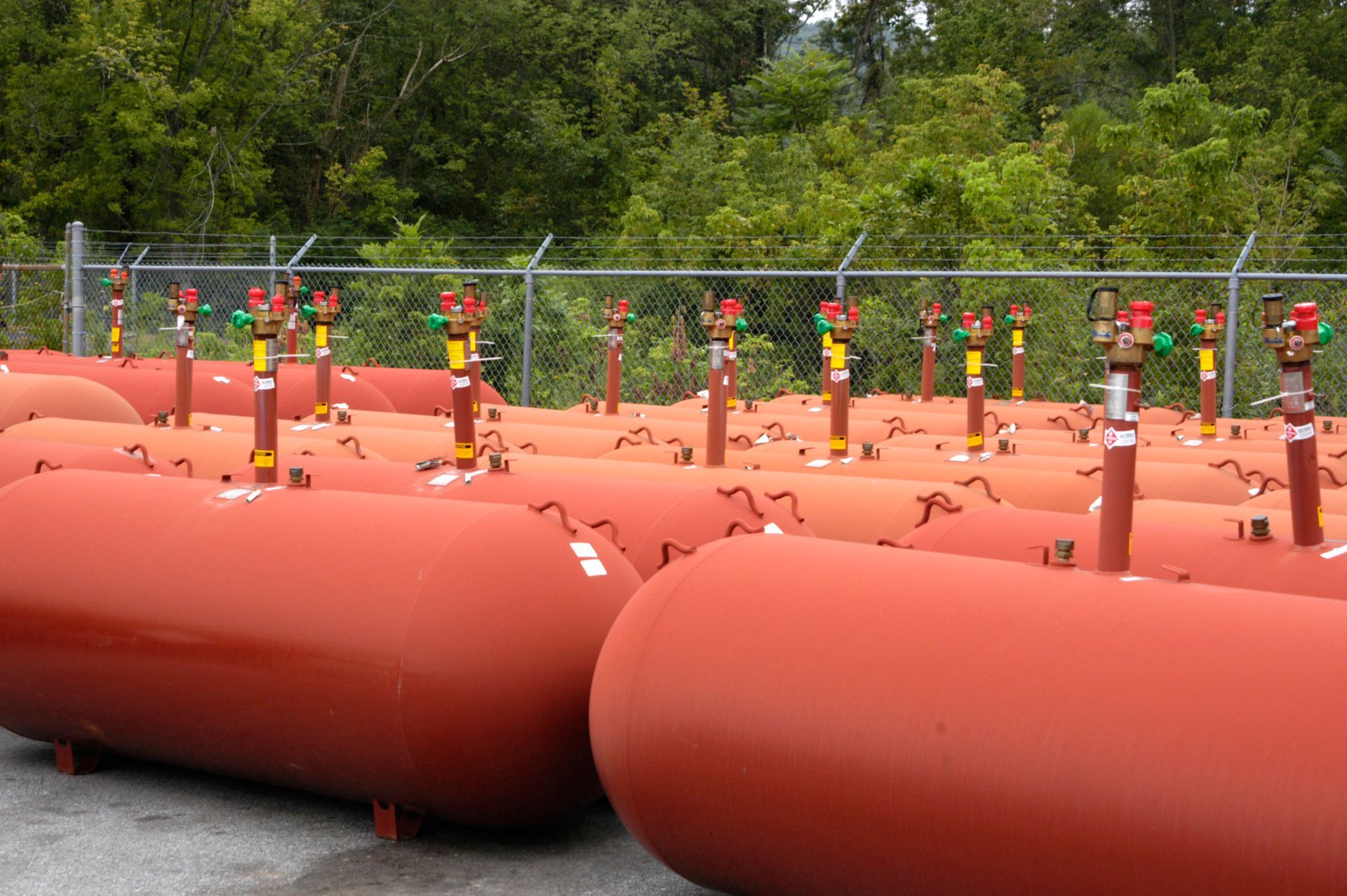
Material selection plays a key role in the durability and performance of underground oil tanks. Steel and fiberglass remain the most common options, each offering distinct advantages. Steel tanks provide strength but require corrosion protection, while fiberglass tanks resist rust naturally and may require less long-term maintenance. Selecting the right material depends on site conditions, budget, and regulatory requirements.
Tank size must be matched to current usage patterns while allowing flexibility for future demand. A tank that is too small may require frequent refilling, while an oversized system can increase installation costs unnecessarily. Accurate consumption assessments help determine the most efficient size for the property’s fuel storage needs.
Design features such as double-wall construction, protective coatings, and corrosion control systems significantly enhance reliability. These features reduce the likelihood of leaks and extend service life. Thoughtful design decisions help protect both the investment and the surrounding environment.
4. Installation Planning and Execution
The installation phase requires experienced professionals who understand industry standards and safety protocols. Qualified installers follow precise procedures for excavation, placement, backfilling, and system connections. Proper execution during installation minimizes the risk of future performance issues and structural failures.
Clear communication and planning help keep installation activities on schedule. Property owners benefit from understanding each stage of the process so they can coordinate access, inspections, and approvals. Documentation of each step also provides valuable records for compliance verification.
Safety remains a top priority throughout installation. Protective equipment, hazard controls, and emergency procedures help safeguard workers and nearby properties. Thorough planning ensures underground oil tanks are installed with minimal disruption and maximum adherence to safety standards.
5. Ongoing Maintenance and Leak Monitoring
Routine maintenance supports the long-term functionality of underground oil tanks and helps prevent costly failures. Scheduled inspections allow professionals to identify early signs of wear, corrosion, or mechanical issues. Consistent maintenance reduces the likelihood of unexpected repairs and environmental incidents.
Leak detection systems provide continuous monitoring and early warnings if issues arise. Modern technologies can detect small changes in pressure or volume that may indicate a problem. Early detection allows for prompt corrective action, minimizing environmental impact and operational downtime.
Emergency response plans should be established and reviewed regularly. Clear procedures ensure that personnel know how to respond quickly and effectively if a leak is detected. Preparedness plays a key role in minimizing damage and maintaining regulatory compliance.
6. Decommissioning and System Replacement Planning
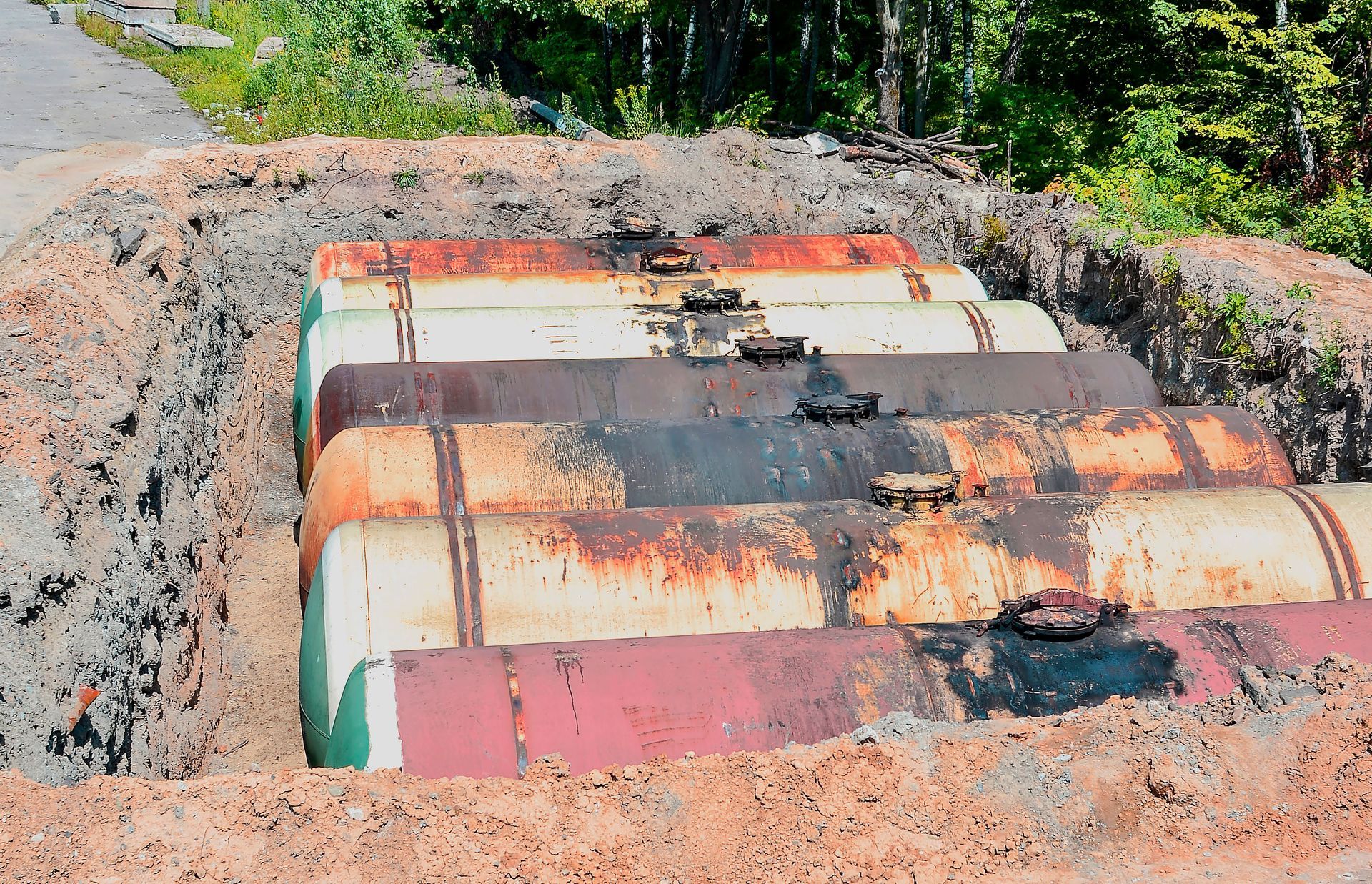
Every storage system eventually reaches the end of its service life, making decommissioning an important consideration from the outset. Planning ahead helps property owners budget for removal and avoid last-minute compliance challenges. Regulatory requirements often govern how oil tanks must be taken out of service.
Decommissioning typically involves draining remaining oil, removing the tank or rendering it inactive, and assessing soil conditions. Permits and inspections are usually required to confirm proper closure. Following these procedures protects both property owners and the environment.
Soil testing and remediation may be necessary if contamination is discovered. Lessons learned during decommissioning can inform decisions about replacement systems or alternative storage solutions. Responsible closure completes the lifecycle of regulated fuel storage infrastructure in a safe and compliant manner.
7. Risk Assessment, Insurance, and Financial Planning
Conducting a thorough risk assessment before installing oil tanks helps property owners understand potential liabilities and long-term cost exposure. Environmental risks, system failure scenarios, and site-specific hazards should be evaluated in advance. Identifying these risks early allows for proactive design adjustments, monitoring strategies, and contingency planning that reduce the likelihood of costly incidents.
Insurance coverage is another critical component of responsible planning. Standard property insurance policies may not fully cover environmental damage or cleanup costs associated with below-ground fuel storage. Specialized coverage, such as pollution liability or environmental impairment insurance, may be required to protect against spills, leaks, or regulatory enforcement actions.
Financial planning should also account for long-term ownership costs beyond installation. Routine inspections, monitoring equipment upgrades, regulatory reporting, and eventual decommissioning all represent ongoing expenses. Budgeting for these items in advance helps avoid unexpected financial strain and supports uninterrupted operation.
Installing and managing underground oil tanks involves far more than excavation and placement. Long-term success depends on informed planning, regulatory awareness, and proactive risk management at every stage of ownership. By carefully addressing compliance, site conditions, system design, maintenance strategies, and eventual closure, property owners can reduce uncertainty and protect both their operations and the surrounding environment. Working with experienced environmental professionals also helps streamline approvals, improve system longevity, and reduce liability exposure over time. Proactive decision-making during the planning phase can significantly reduce long-term operational disruptions and compliance risks. A well-structured approach also supports smoother inspections, clearer documentation, and more predictable ownership costs. Contact our team at Innov8tive Environmental Inc today to get connected with knowledgeable oil tank services designed to support safety, reliability, and long-term peace of mind.

Share On: