What to Expect from Oil Tank Removal Services
Oil tank removal services, particularly underground oil tank removals, have become increasingly important in today's society due to environmental concerns and safety regulations. Hiring professional services ensures underground oil tank removals are handled safely and effectively, mitigating associated risks. Attempting to remove an oil tank without professional guidance carries several dangers, including possible soil contamination, hazardous material exposure, and non-compliance with legal mandates. For property owners, understanding what to expect during underground oil tank removals can help facilitate smoother interactions with service providers. This introduction outlines the vital components of these services, including assessments, preparations, the actual removal, and subsequent site procedures.
Conduct the Initial Assessment
Conduct a Site Evaluation
Before any physical work begins, a comprehensive site evaluation is performed by the oil tank removal service provider. This assessment involves analyzing the property's layout to determine how the tank can be safely accessed and removed. The site evaluation is crucial in identifying potential challenges, such as nearby structures or buried utilities, which could complicate the removal process. This stage helps service providers estimate the resources and techniques required, ensuring that the removal is conducted efficiently and safely. Additionally, understanding the property’s topography assists in planning the logistics of tank removal equipment transportation and deployment.
Identify Existing Conditions
Identifying the current state of the oil tank and its surroundings is a necessary step in the assessment process. Professionals inspect the tank for signs of deterioration, such as leaks or corrosion, which could indicate the tank's compromised integrity. The surrounding environment is also assessed to determine if there is any soil contamination, often caused by prolonged leakage from the tank. This evaluation is critical because it influences the complexity and cost of the removal process. According to Verified Market Reports, around 600,000 underground storage tanks exist nationwide, with approximately 80,000 being labeled as high-risk, highlighting the importance of thorough assessments.
Develop a Project Timeline
Developing a project timeline is essential for coordinating the various elements involved in tank removal. After assessing the site and existing conditions, service providers create a schedule that outlines each phase of the project from start to finish. This timeline serves as a communication tool between the service provider and the client, ensuring both parties have a clear understanding of when key milestones will be achieved. A well-structured timeline includes buffer periods to accommodate unforeseen delays, such as weather disruptions or permitting issues. Establishing a detailed timeline helps in managing client expectations and maintaining project momentum, preventing unnecessary delays.
Perform Pre-Removal Preparations
Identify Utility Lines
Identifying nearby utility lines before removal operations commence is a critical safety measure. Utility companies usually provide maps or send personnel to mark the lines to prevent accidental damage during excavation. By involving utility companies early in the planning process, service providers can ensure the safety of their workers and the surrounding community. This step is essential for mitigating the risk of disruptions to essential services such as water, gas, or electricity during the removal operations. Proactive utility line management reflects a commitment to safety and thoroughness in service execution.
Implement Site Safety Measures
Implementing robust site safety measures is a fundamental aspect of preparation before the tank removal commences. Safety protocols are devised to protect both the workers and the property, minimizing any potential hazards that may arise during the removal process. These measures often entail setting up barriers, ensuring proper signage, and equipping personnel with safety gear. Regular safety briefings and the adherence to established safety protocols are intrinsic to mitigating the risks associated with handling potentially hazardous materials. A commitment to safety underscores the professionalism and responsibility of a reliable oil tank removal service provider.
Coordinate Equipment Logistics
Arranging the logistics for equipment and machinery is an important preparatory step that ensures the removal proceeds without interruptions. Service providers must coordinate the delivery and setup of necessary tools and equipment required for excavation and removal activities. Planning for equipment logistics includes confirming access routes, arranging for special transportation where needed, and scheduling usage to avoid conflicts. Having a detailed logistical plan minimizes downtime and maximizes productivity during the removal phase. Efficient equipment management reflects the service provider’s organizational skills and contributes to seamless project execution.
Perform the Removal Process
Enforce Safety Precautions
During the active removal phase, enforcing safety precautions is paramount to ensuring the well-being of workers and preventing incidents. Protective equipment and safety regulations are rigorously employed to minimize potential hazards. Regular safety checks and adherence to procedures are part of the daily operational routine, reinforcing the service provider’s commitment to a zero-incident environment. Service providers train and equip their workforce with the necessary skills and knowledge to recognize and address risks swiftly. By prioritizing safety, companies not only protect their workforce but also maintain their reputation for safe and reliable services.
Apply Excavation Techniques
Excavation methods involve specialized techniques meant to uncover the oil tank safely and efficiently. Service providers utilize a variety of equipment and strategies to address the challenges posed by different soil compositions and site layouts. Precision and care during excavation are crucial to minimizing the impact on the surrounding environment and ensuring worker safety. Clients must understand that the choice of technique depends on site-specific conditions identified during the initial assessment. Mastery of excavation techniques showcases a service provider’s capability and diligence in performing delicate underground oil tank removals.
Conduct Tank Decommissioning
Upon accessing the oil tank, decommissioning involves rendering it inactive to prevent environmental hazards. The tank is thoroughly cleaned to remove any residual oil, which is then disposed of in accordance with environmental regulations. Decommissioning also includes the examination of the tank for potential defects that could have contributed to leakage or contamination. This step must be conducted with great care to ensure compliance with legal standards and avoid further contamination risks. Safe and effective decommissioning underscores the meticulous nature of professional underground oil tank removals.
Execute Tank Extraction
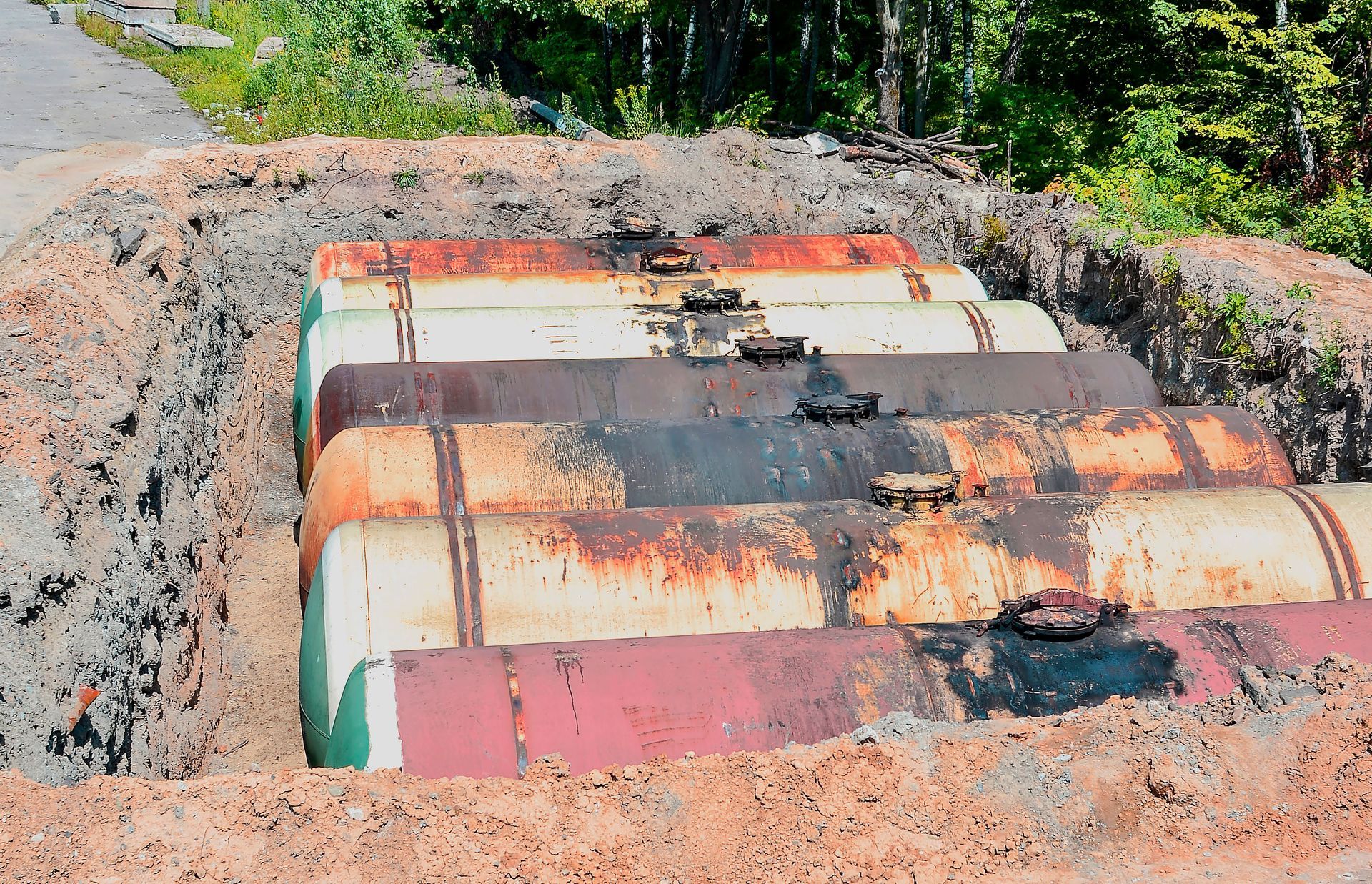
Following decommissioning, the tank is physically extracted from the ground, a process requiring careful planning and expertise. Specialized lifting tools and machinery are used to hoist the tank to the surface, preventing any structural damage during removal. This operation demands precision and coordination to ensure the integrity of the surrounding environment is maintained. Proper extraction minimizes the potential for onsite incidents and complies with safety regulations, thereby ensuring the well-being of personnel. A successful tank extraction reflects the service provider's proficiency in handling advanced underground oil tank removals.
Manage Hazardous Materials
Handling hazardous materials, including residual oil and contaminated soil, is conducted according to strict legal mandates. Protocols are established to manage these substances safely, minimizing risk to both workers and the environment. The use of appropriate containment and disposal methods is crucial in ensuring adherence to environmental standards. In collaboration with waste management entities, service providers ensure the materials' safe transfer and disposal. This stage highlights the service provider's commitment to responsible environmental stewardship and regulatory compliance during underground oil tank removals.
Ensure the safety and integrity of your property by choosing Innov8tive Environmental Service Inc for professional underground oil tank removals. Our experienced team handles every step with precision, compliance, and care, giving you peace of mind and reliable results. Contact Innov8tive Environmental Service Inc today to schedule a consultation and protect your property while supporting safe and sustainable environmental practices.

Share On: