Common Issues Caused by Aging Underground Oil Tanks
This article explores the increasingly common problem of aging underground oil tanks, which poses environmental, financial, and safety risks. With many oil tanks having been installed decades ago, their deterioration can lead to a variety of issues for property owners and the environment. According to the New York Department of Environmental Conservation, there are 21,744 active underground storage tanks in the state. The aging process of these tanks often results in structural breakdown and increased vulnerability to leaks and environmental contamination. Proactive measures are necessary to mitigate the risks associated with these aging infrastructures.
Environmental Contamination
Deteriorating underground oil tanks often develop leaks and spills due to corrosion and material fatigue. As tanks age, rust and corrosion diminish their structural integrity, which is a primary factor in leak occurrences. Leaks lead to oil seeping into the surrounding soil and potentially reaching water sources. This contamination poses a significant environmental threat by harming plant and animal life. Addressing these leaks involves costly cleanup efforts to prevent long-term environmental damage.
When an underground tank leaks, oil can spread rapidly through the soil, reaching extensive areas. The contamination isn't limited to the immediate vicinity of the tank; it can impact neighboring properties and wider ecosystems. Leaks from aging tanks contribute to groundwater pollution, affecting the quality and availability of water. Leaks can also result in volatile organic compounds (VOCs) entering the atmosphere, contributing to air pollution. Regular inspection and maintenance are critical to identifying and repairing leaks early, mitigating extensive environmental harm.
The problem of leaks and spills is exacerbated by the average age of tanks, as noted in the EPA's LUST program report. Oil spills from underground tanks increase the risk of hazardous environmental impact, requiring urgent action for containment and remediation. Sealing leaks promptly ensures the protection of ecosystems and compliance with environmental regulations. Proactive detection and repair strategies help in reducing the frequency and severity of leaks. This proactive approach is vital for safeguarding environmental health and preventing resource depletion.
Soil pollution from aging underground oil tanks presents a significant environmental challenge. The oil and other chemicals stored in these tanks can seep into the ground, causing long-term soil degradation. Contaminants from oil tanks affect soil quality and can inhibit plant growth, reducing agricultural productivity. The leaching of harmful substances can lead to toxic accumulations within the soil strata over time. Cleaning up polluted soils requires extensive remedial action to restore ecosystem balance and avoid loss of biodiversity.
The extensive contamination of soil causes changes in its composition, affecting its ability to sustain plant and microbial life. Areas impacted by oil spills from tanks often see a decline in native vegetation and wildlife due to toxic exposure. Overconsumption of contaminated crops can lead to health issues in both humans and animals reliant on those resources. Soil pollution also affects soil aeration and water retention, increasing erosion risks. Efforts to remediate soil pollution include extracting pollutants and bioremediation techniques.
Long-term soil pollution has broader implications for climate change as soil carbon stocks are disrupted. Persistent toxic exposure can alter soil organisms, disrupting soil nutrient cycles essential for carbon capture. Efforts to prevent soil pollution focus on tank replacement or upgrading strategies to prevent leaks. Protecting soil health requires stringent monitoring and immediate intervention upon detecting contamination. Restoration of polluted sites prioritizes restoring indigenous flora and fauna to regain ecological balance.
The contamination of groundwater is a critical concern linked to aging underground oil tanks. When oil and chemicals from tanks leak, they can seep down through the soil and contaminate aquifers. Groundwater serves as a primary water source for many communities, making its protection a significant public health concern. The infiltration of contaminants can make water unsafe for consumption and limit its availability to support ecosystems. Remediation efforts for contaminated groundwater can be complex and expensive, often requiring advanced treatment technologies.
The degree to which groundwater is affected depends on various factors, including soil type, geology, and the rate of leakage. Contaminated groundwater poses health risks through exposure and ingestion of polluted water. Maintaining the integrity of oil tanks through regular monitoring can prevent initial contamination. Groundwater contamination is further complicated by its ability to transport pollutants over long distances, affecting regions beyond the immediate site. Implementing preventative maintenance on tanks minimizes groundwater contamination risks significantly.
Structural Integrity Concerns
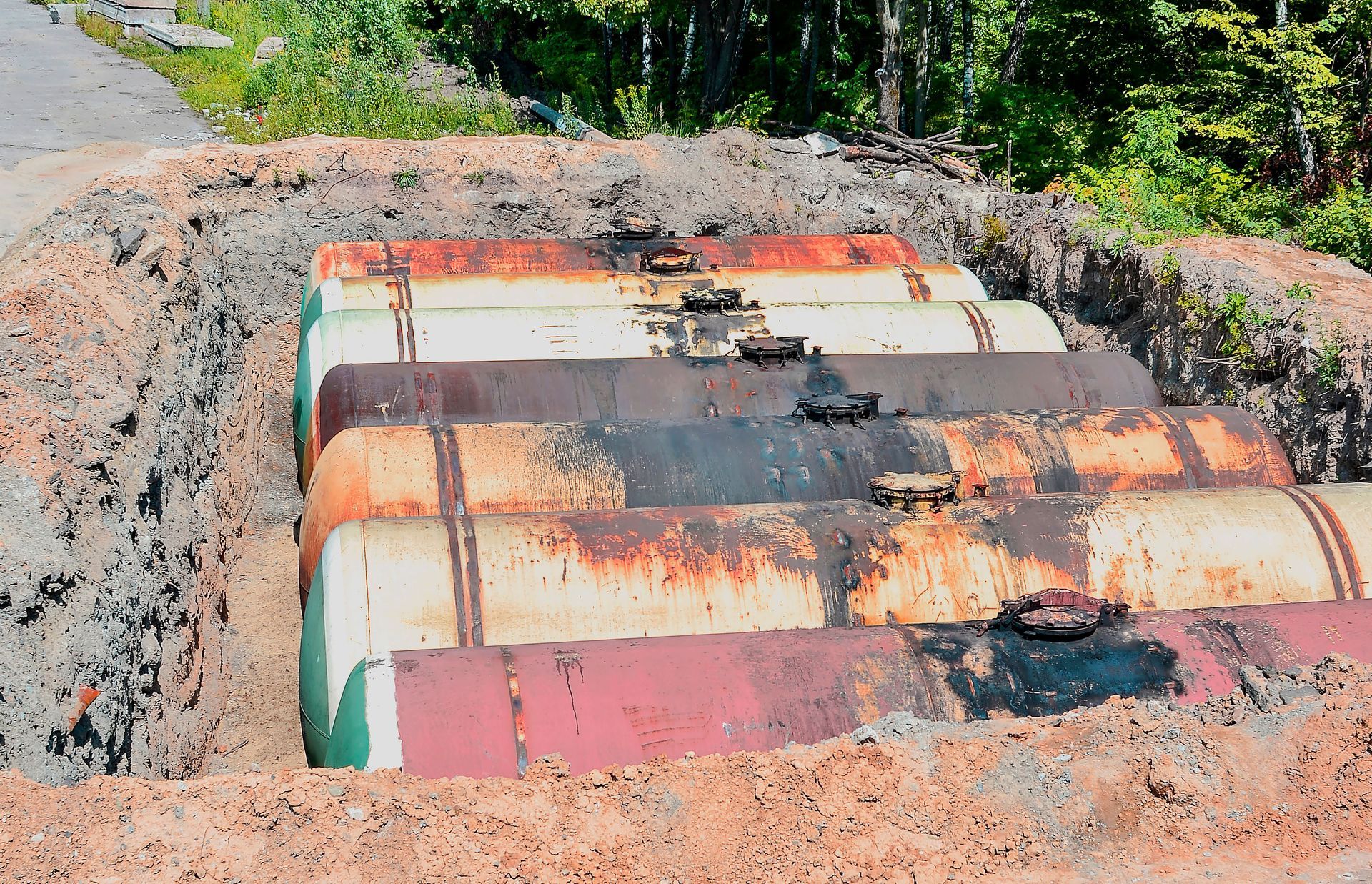
Corrosion and rust are prominent issues affecting the structural integrity of underground oil tanks. Over time, exposure to soil moisture and chemicals accelerates corrosion in metal tanks. This leads to thinning of the tank walls, reducing their capacity to hold oil securely without leaks. Efforts to mitigate corrosion involve protective coatings and materials like fiberglass that resist rust. Regular assessments and repairs of tank structures are necessary to reduce the potential for integrity failure.
The process of corrosion and rust weakens the tank gradually, making it susceptible to breaches and leaks. Environmental factors such as temperature variation and soil acidity affect the rate of corrosion negatively. Owners can manage corrosion through preventive maintenance, including sacrificial anodes and corrosion inhibitors. Transitioning to corrosion-resistant tank materials effectively prolongs the life and reliability of the storage systems. Coordinated maintenance strategies prioritizing corrosion control measures enhance the durability and efficiency of tanks.
An average tank age of 27 years makes corrosion issues more pronounced, emphasizing immediate repair needs. Failure to address corrosion can result in catastrophic tank failure, causing environmental and financial turmoil. Implementing regular corrosion control practices aligns with environmental standards and enhances tank longevity. Collaborative research into innovative anti-corrosive materials represents a proactive approach to addressing tank corrosion sustainably. Ensuring all tank management practices incorporate corrosion resistance measures remains a priority for environmental safety.
The materials used in constructing underground oil tanks deteriorate over time, weakening their overall structure. Aging tanks become prone to fractures and splitting due to material fatigue and continual load bearing. External environmental conditions, such as changes in soil pressure and chemical exposure, contribute to physical deterioration. To counteract these effects, selection of high-quality, durable tank materials becomes crucial in new installations. Constant monitoring and assessment determine when physical conditions demand repair or tank replacement.
Material degradation compromises the tank's ability to safely contain oil, increasing leak risks. Signs of physical deterioration, such as abrasion, thinning walls, and surface cracks, highlight the need for structural assessment. Replacing vulnerable tank components and improving protective coatings can slow down deterioration rates significantly. Utilizing advanced non-destructive testing methods provides information about material health and potential failure points. Sustainable tank designs focus on enhancing durability against environmental stressors to prevent premature failure.
Structural enhancement strategies incorporate advanced engineering solutions to mitigate age-related deterioration. Adapting retrofit techniques and implementing protective barriers are effective for extending tank lifespans. Adherence to stringent repair standards ensures the tank safely supports oil storage for extended periods. Innovative technologies such as tensile-strengthening composites offer solutions for reinforcing structurally challenged tanks. Long-term management plans focused on material health sustain structural integrity and functionality over a tank's lifetime.
External soil pressures exerted on underground oil tanks can lead to structural challenges. The weight of overlying soil and shifts due to environmental factors strain tank walls, contributing to potential collapse. Failing to account for these factors in tank design increases vulnerability to structural failure. Enhanced assessment techniques detect soil movement impacts, informing maintenance and structural adjustments. Ensuring consistent monitoring of soil pressure and implementing responsive structural measures prevents tank damage.
The dynamic nature of soil density variations contributes to edge loading stresses on tank structures. Sudden changes in weight through construction or natural events impact tank stability adversely. Tanks resist soil pressure through engineering design improvements, such as stronger load-bearing materials and reinforcements. Observing and adjusting for soil dynamics is crucial in maintaining structural integrity without external failure risks. Geotechnical analysis and expert consultations inform strategic solutions to counteract excessive soil pressures on tanks.
Aging underground oil tanks can create serious environmental and structural risks when corrosion, material deterioration, and soil pressure compromise their integrity. Regular inspections, proactive maintenance, timely repairs, and appropriate tank replacement can help property owners identify problems before they lead to costly leaks or contamination. By taking preventive action, property owners can protect surrounding soil and groundwater while maintaining safer and more reliable underground storage systems. For more information about an
underground oil tank, contact Innov8tive Environmental today.

Share On: