The Importance of Local Oil Tank Services
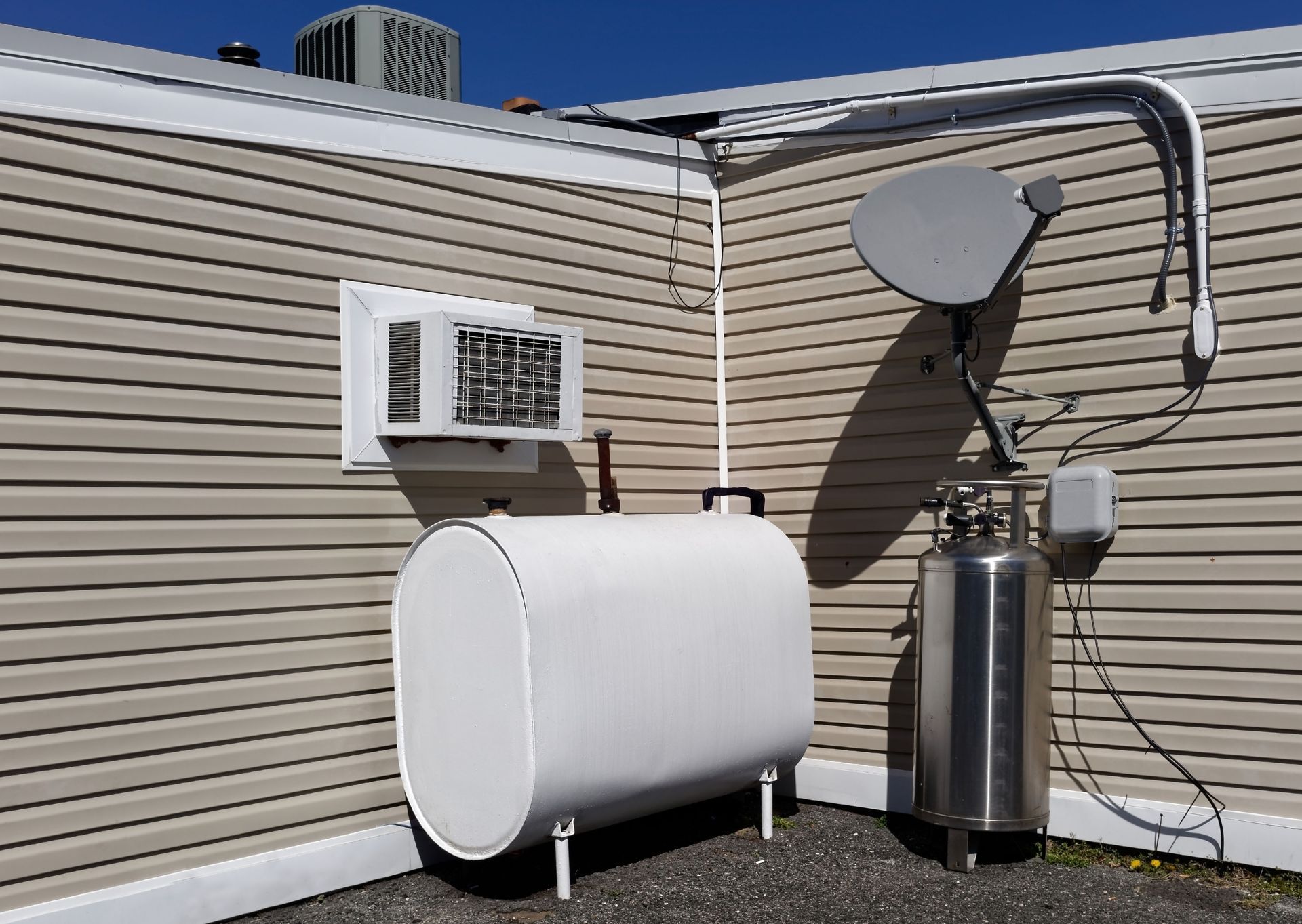
Oil tanks can remain out of sight for years, especially when they are installed underground or located in a basement, utility room, or outdoor service area. Yet age, corrosion, damaged fittings, poor installation, and changing site conditions can increase the possibility of leaks or other problems. A tank that appears functional may still require professional evaluation to determine its condition and whether it remains suitable for continued use. Local oil tank services help property owners assess concerns and understand the next steps for safe maintenance, removal, or replacement.
Recognizing potential issues early is important because petroleum releases can affect soil, groundwater, and nearby structures. Unusual odors, unexplained fuel loss, visible staining, or signs of corrosion warrant prompt professional attention. A qualified environmental contractor can evaluate the situation and recommend an appropriate response based on the tank type, location, and condition.
Protecting Soil and Groundwater
A leaking oil tank can create environmental concerns that extend beyond the immediate property. Fuel may seep into surrounding soil and, in some cases, migrate toward groundwater or nearby surface water. Contamination can be difficult to detect without an assessment, and the required response depends on the amount released and the local geology. Professional evaluation helps determine whether further testing or cleanup is necessary.
The Environmental Protection Agency explains that underground storage tank releases can contaminate soil, groundwater, surface water, and indoor air, creating risks for people and the environment. Local oil tank services can help property owners address suspected releases through appropriate inspection, removal, soil evaluation, and remediation work. Prompt attention may limit the spread of contamination and clarify which regulatory steps apply to the site.
Understanding the Scale of Underground Storage
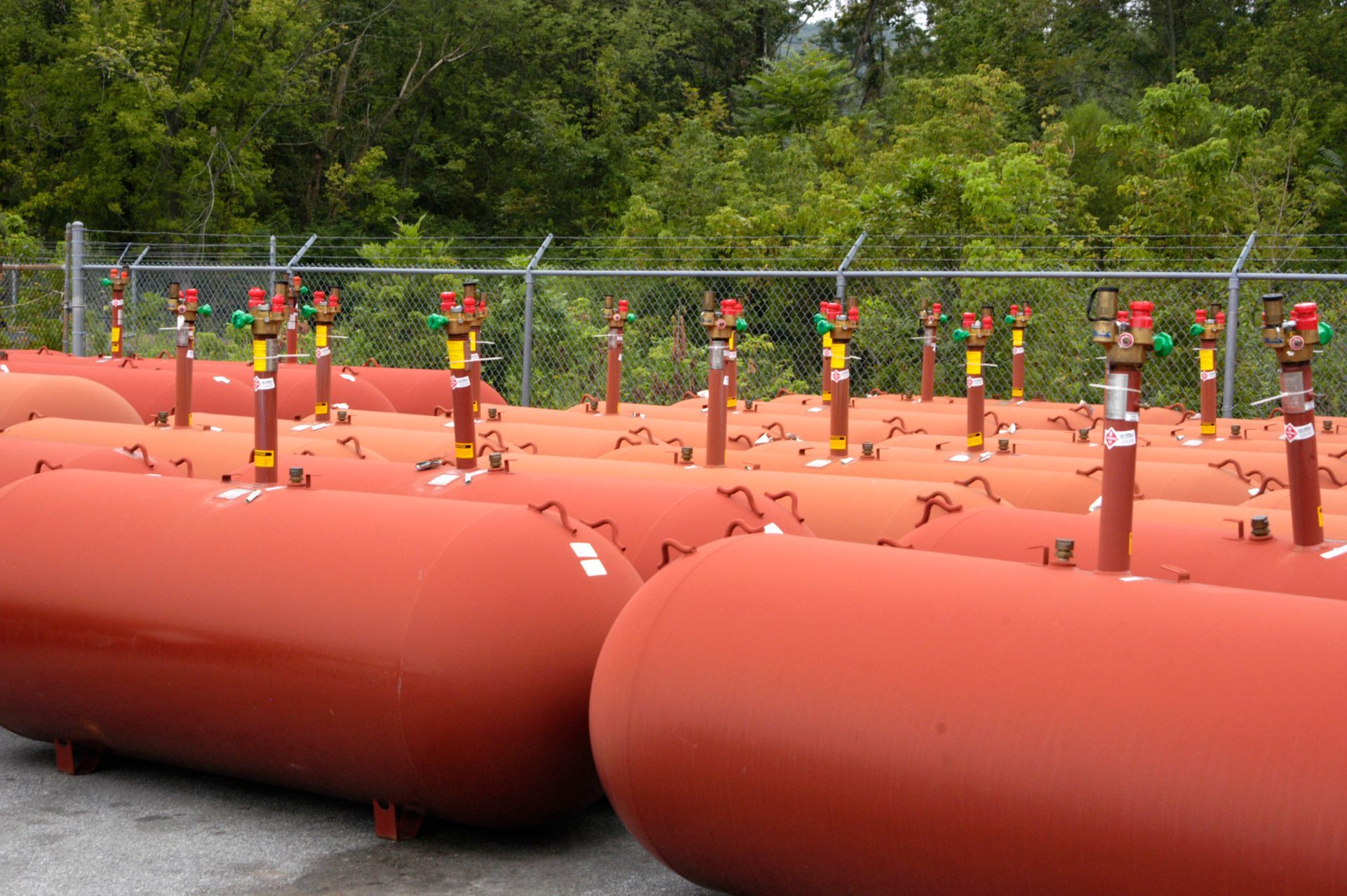
Oil tanks are used across residential, commercial, municipal, and industrial settings, so managing them safely is an ongoing national concern. According to the EPA, approximately 534,000 to 540,000 regulated underground storage tanks remain active nationwide, illustrating the scale of fuel storage infrastructure that requires oversight. These tanks serve many purposes, but their safe operation depends on appropriate installation, maintenance, and response when problems arise.
Regulatory requirements can vary according to tank use, capacity, location, and the substance stored. Some underground tanks fall under federal requirements, while states and local agencies may impose additional rules. Property owners should not assume that the same procedures apply to every tank or site. Local oil tank services can help clarify applicable requirements and identify the documentation that may be needed for a particular project.
Planning Safe Tank Removal
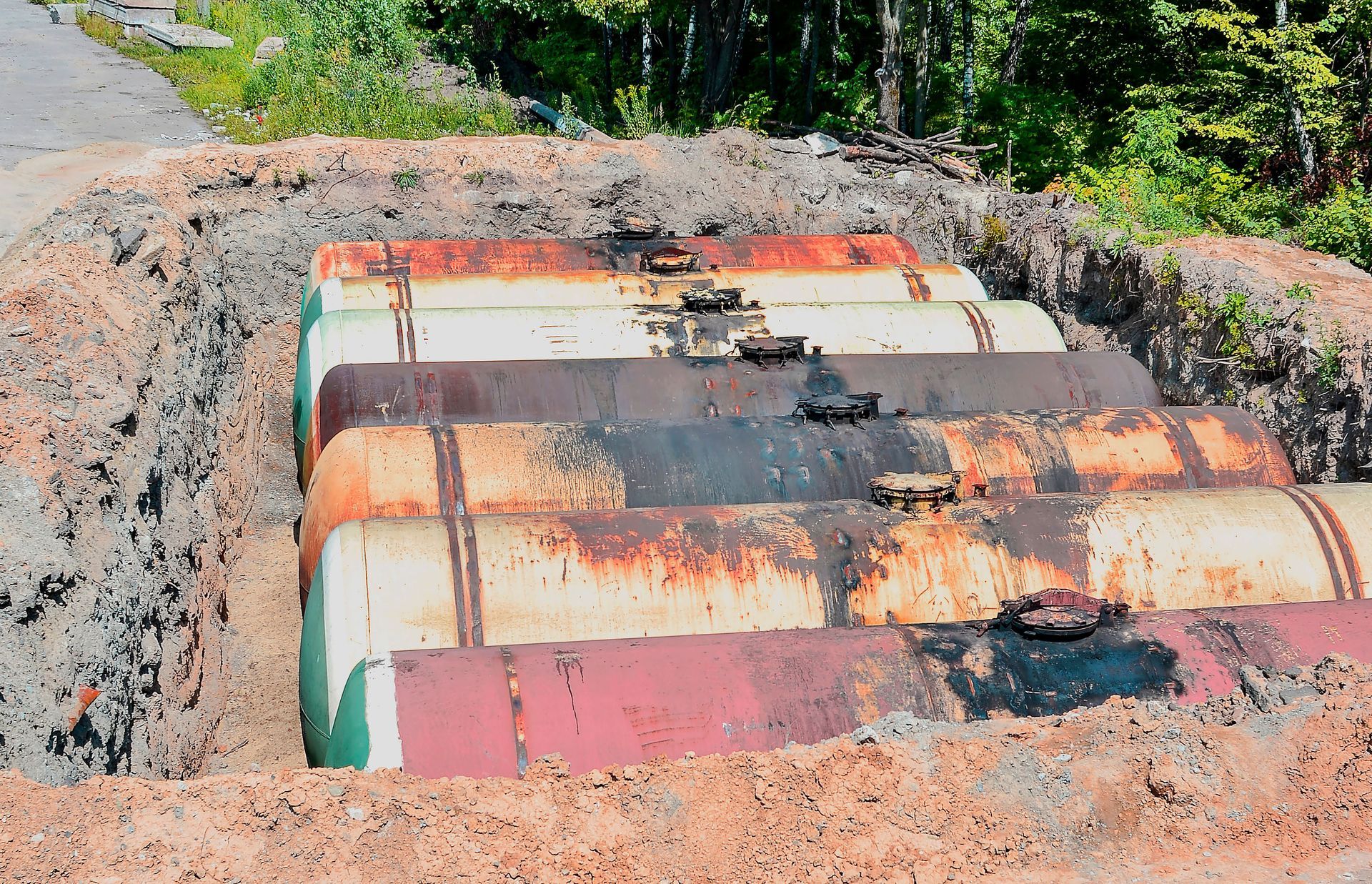
A tank that is no longer needed, has reached the end of its service life, or presents a concern may require professional removal or approved abandonment. The correct approach depends on whether the tank is aboveground or underground, its condition, and applicable local regulations. Work may involve locating the tank, removing residual product, managing the tank structure, and addressing the surrounding soil. These activities require appropriate equipment and procedures to reduce risks to people and property.
Local oil tank services can help coordinate the steps required for a project, including permits, excavation when necessary, disposal, and records for the property owner. If a tank is removed, the surrounding area may need to be evaluated for evidence of a release. If contamination is discovered, additional sampling and remediation may be necessary. A clear plan helps property owners understand the expected process before work begins.
Choosing Between Replacement and Abandonment
Not every tank-related project has the same goal. Some property owners need to replace an aging tank to maintain a heating or fuel system, while others want an unused tank removed from the property. In certain locations, regulations may permit a tank to be abandoned in place using an approved process, but this is not appropriate for every situation. The tank’s condition, accessibility, and the possibility of contamination all affect the decision.
A professional assessment can explain the available options and their implications. Replacement may require planning for the new tank’s location, installation requirements, and connections to existing equipment. Removal or abandonment may involve different documentation and site-restoration needs. Discussing these details with a qualified contractor helps ensure the chosen approach addresses both immediate requirements and long-term property considerations.
Navigating Local Regulations and Records
Oil tank work can involve several layers of regulation, and requirements may differ between municipalities and states. Depending on the project, approvals may be needed before excavation, removal, replacement, or abandonment. Certain situations may also require reporting, inspection, sampling, or documentation after the work is complete. Missing a required step can create delays or complications during a future property transaction.
Local oil tank services are valuable because professionals familiar with the area may understand the agencies and procedures relevant to common tank projects. Property owners should ask which permits or notifications apply, who is responsible for arranging them, and what records they will receive at completion. Keeping permits, disposal records, inspection findings, and completion certificates together can help document the tank’s status for future owners, insurers, or contractors.
Managing Property Risks and Costs
Oil tank concerns can affect more than the immediate cost of repairs. A suspected leak may require testing, excavation, cleanup, and coordination with regulatory agencies, depending on the findings. Access limitations, landscaping, nearby utilities, and the location of buildings can also affect project complexity. Understanding these factors early gives property owners a clearer view of the potential scope and helps them plan responsibly.
An estimate should explain the proposed work, what is included, and which conditions could lead to additional costs. When environmental testing is necessary, the contractor should explain its purpose and how results will inform the next stage. Local oil tank services can help organize the work and communicate findings, but no assessment should promise that contamination is absent before the appropriate evaluation is completed. Clear documentation and realistic expectations are important throughout the process.
Preparing for Property Sales and Renovations
An old or undocumented oil tank can become an important consideration when a property is sold, renovated, or redeveloped. Buyers, lenders, insurers, or local authorities may request information about an existing tank, its status, or any past environmental work. Uncertainty can slow a transaction if records are missing or if the tank’s condition has not been evaluated. Addressing these questions before a sale or major project can make planning more straightforward.
A professional tank assessment can help determine whether the tank is active, inactive, abandoned, or in need of further investigation. If removal or remediation is required, obtaining appropriate completion records helps establish what work was performed. Local
oil tank services can be particularly useful when a property owner needs to coordinate tank work with contractors, real estate professionals, or municipal offices. Early planning reduces the chance that tank-related issues will emerge unexpectedly during a time-sensitive project.
Oil tank concerns deserve careful evaluation because the right response depends on the tank, the property, and the applicable requirements. Innov8tive Environmental Service Inc serves the Hudson Valley area with oil tank removal, installation, abandonment, site remediation, contaminated soil and water disposal, and emergency spill response. Its services address residential and commercial projects, helping property owners determine the appropriate course of action for an existing or planned tank.
At Innov8tive Environmental Service Inc, we can help you understand the options for an aging, unused, or potentially leaking tank and explain the steps involved in the work. Our team can discuss your property’s needs, provide an estimate, and coordinate services suited to the project. Whether you are planning a tank replacement, arranging removal, or responding to a possible environmental concern, contact Innov8tive Environmental Service Inc to discuss the next steps and protect your property with a well-planned solution.

Share On: