How to Identify Problems With Underground Oil Tanks
Concealed from view, subterranean storage systems carry significant risks when issues go undetected. Identifying problems early is crucial, as they can cause environmental contamination, pose health risks, and incur costly repairs. Proactively addressing potential issues can prevent the hazardous release of contaminants into the soil and groundwater, ensuring a safer environment and community well-being. Regular inspections and maintenance play a pivotal role in mitigating risks associated with these units. By implementing proper diagnostics, owners can extend the life of their setups while preventing leaks that lead to severe environmental penalties. Understanding the intricate aspects of these systems aids in safeguarding property and the environment from unintended consequences. This article illuminates the complexities of storage, signs of trouble, diagnostic procedures, and strategies for risk mitigation. The knowledge presented serves as a comprehensive guide for homeowners, businesses, and environmental stewards to ensure compliance and safety. Timely intervention can avert damage, preserve property values, and contribute to a healthier planet. To navigate these challenges effectively, exploring the core functions and maintenance needs of these systems is the logical next step.
Evaluating the Purpose of Underground Oil Tanks
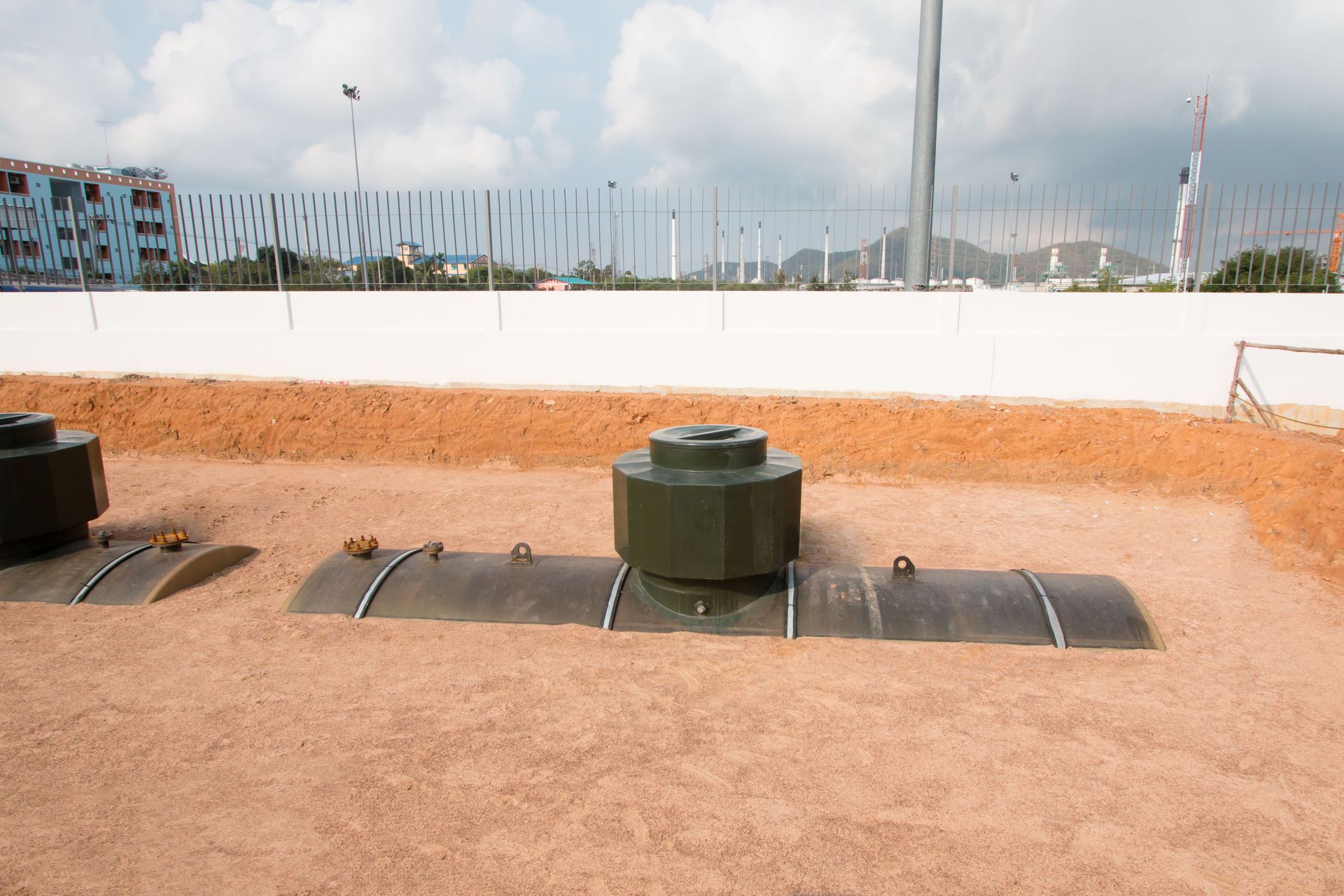
Underground oil tanks are designed to store fuel for heating or as backup power sources, often made of steel or fiberglass. These units are buried beneath the ground to save space, reduce fire hazards, and aesthetically blend into the property’s landscape. Their primary purpose is to hold petroleum products securely, providing fuel access while minimizing potential above-ground risks. Used commonly for residential heating, commercial operations, and fueling stations, they are integral in regions with intense cold seasons. However, their concealed nature can lead to undetected issues, making understanding their purpose and condition essential. The role of these units has evolved, initially emerging as a solution for efficient land use and safety. They are vital for ensuring a consistent energy supply during adverse weather without cluttering valuable surface space. Over time, technological advancements have improved the durability and design of these setups, although older installations may still pose challenges. Maintaining these structures requires diligent attention because damage can lead to severe ecological disturbances that resonate throughout urban and rural ecosystems. When properly maintained, they contribute to safety and functionality; when neglected, they become a source of pollution and legal issues. As society advances, these units will remain part of an evolving dialogue concerning energy security and environmental stewardship.
Maintaining Regulations and Compliance With Care
Regulations for underground oil tanks are designed to prevent environmental harm and safeguard public health by ensuring setups are constructed, maintained, and operated safely. Different jurisdictions have distinct regulations regarding installation, monitoring, and removal practices to mitigate spills and soil contamination. According to the United States Environmental Protection Agency, nearly 40% (only 59.7% were compliant) of all active, federally regulated petroleum underground storage tanks failed to meet full technical compliance. Regulatory bodies conduct periodic checks to enforce standards and have set detailed guidelines for installation, regular maintenance, and emergency response plans. Compliance with regulations not only helps avert ecological disasters but also circumvents substantial legal and financial penalties. Non-compliance can lead to costly fines, forced site cleanups, and potential criminal liabilities. Owners must stay informed about the latest local, state, and federal regulations impacting their setups. Adherence involves regular monitoring, maintenance, documentation of inspections, and proper reporting of any leaks discovered. Engaging with environmental consultants ensures that site-specific practices meet all legal requirements. By fostering a compliance-centric culture, operators mitigate risks, uphold safety, and contribute to global efforts towards environmental conservation. Keeping abreast of regulatory updates serves to protect the ecological welfare of the community.
Spotting Visible Signs of Tank Deterioration
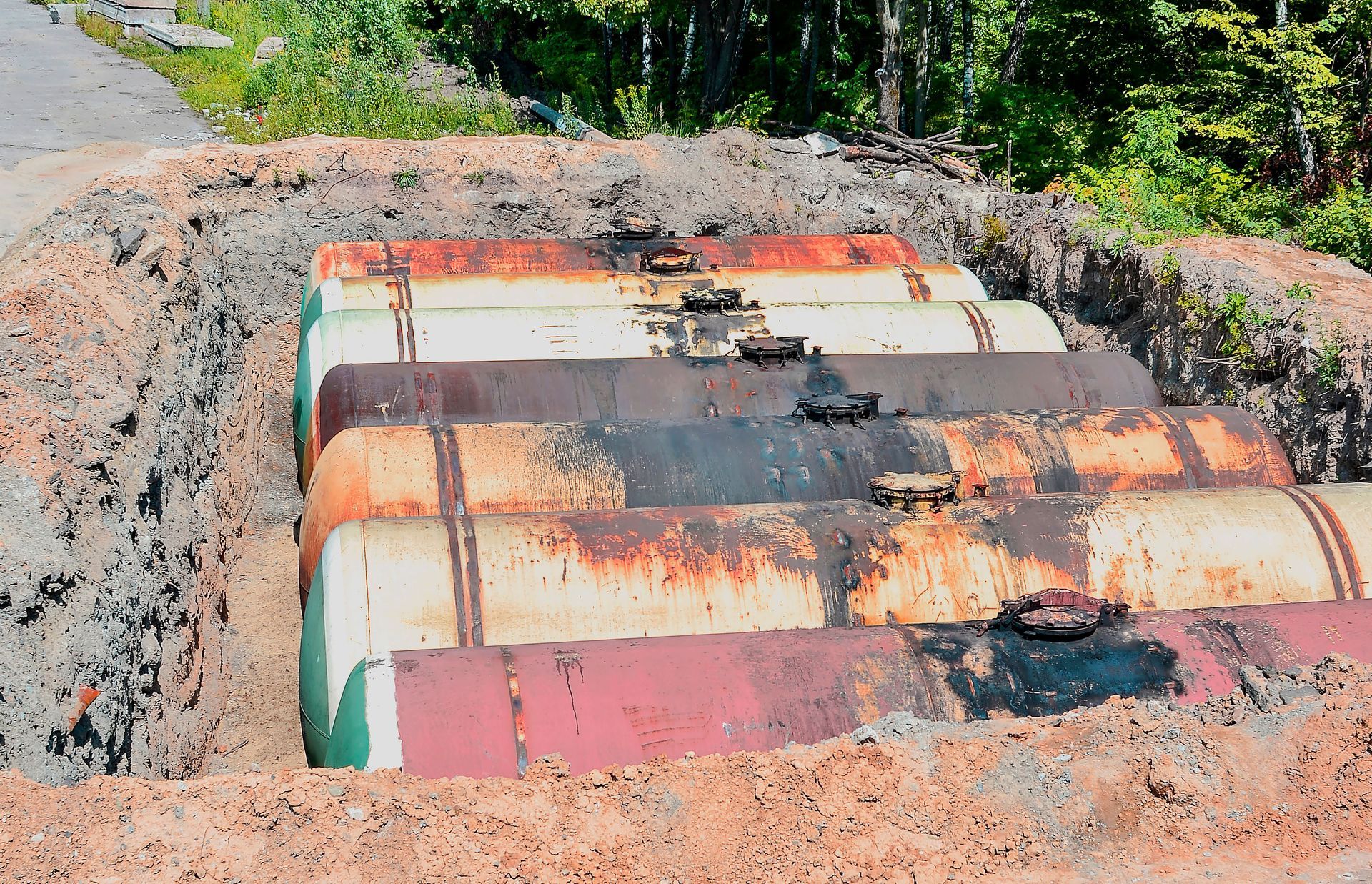
Visible leaks or stains around the vicinity of underground oil tanks are clear indicators that there may be underlying issues requiring urgent attention. Such signs serve as the first visual cues alerting to possible breaches in the structure. Detecting residue or discolored soil is crucial in preemptively addressing potential risks before they escalate into significant environmental hazards. Regular ground inspections should be conducted to catch any such signs early, halting further contamination. Immediate rectification of leaks is essential to uphold ecological integrity and ensure continued compliance with environmental regulations. Unusual odors emanating from the vicinity of these systems can also signal potential leaks or structural failures that may not be immediately visible. Odor recognition serves as an essential part of the diagnostic toolkit, allowing early identification of leaks. The distinct scent of petroleum products could indicate that vapors are escaping, warranting an urgent need for thorough inspection. Furthermore, changes in vegetation near the area often indicate a disturbance in the local environment, potentially pointing to soil contamination. Discoloration, wilting, or abnormal growth patterns in nearby plant life can signal the presence of petroleum products leaching into the soil. Affected vegetation is a critical visual symptom alerting operators to unseen issues that escalate into widespread ecological degradation. Addressing visual symptoms promptly mitigates the chain reaction that such leaks can trigger, enhancing safety and operational longevity.
Monitoring Fuel Consumption Rate Changes
Observing irregularities in fuel usage can provide vital insights into possible leaks or inefficiencies in underground oil tanks and their connected systems. Sudden spikes or dips, not explained by seasonal changes or specific use patterns, may suggest imminent issues needing thorough investigation. Anomalies in usage directly influence operational costs, necessitating corrective strategies to identify and rectify underlying problems promptly. Monitoring consumption offers a unique perspective into structural health, capturing discrepancies that physical inspections might overlook. Understanding how usage changes bridge physical integrity and operational efficacy forms a central theme in effective storage management. Consumption patterns serve as a vital metric, informing stakeholders about potential inefficiencies. Precise logging of use over time spotlights areas for potential improvement, facilitating timely intervention and optimizing labor resources. Implementing routine usage audits integrates preventive maintenance with actionable insights into consumption variances. Leveraging data analysis to discern patterns fortifies risk assessment processes, ensuring informed decision-making. Fostering a culture of regular surveillance encourages stakeholders to maintain operational efficiency, harnessing data-driven strategies against potential issues. By vigilantly observing usage fluctuations, operators gain real-time control over potential resource wastage and leak identification.
Testing Soil and Identifying Water Contamination
Water contamination emerging from underground oil tanks can lead to severe environmental and health consequences. The presence of a sheen on surface water, coupled with abnormal water quality, signals a breach demanding urgent rectification. A contaminated water supply disrupts ecosystems and presents significant risks to human systems relying on clean access. Prompt corrective measures involving professional remediation are necessary to halt further spread. Soil testing serves as an invaluable diagnostic tool in identifying these leaks and gauging the extent of contamination in surrounding areas. Through lab analysis of soil samples, professionals can assess the presence of hydrocarbons emerging from structural breaches. Obtaining accurate soil test results aids in tailoring appropriate remediation strategies for effective spill management. Regular sampling around installations reveals potential changes in soil composition, enabling timely interventions before substantial ecological damage occurs. These tests provide a critical data point that influences both immediate action thresholds and longer-term environmental conservation strategies. Interpreting test results allows environmental professionals to chart a course for addressing and mitigating detected contamination. Ensuring water supply security aligns preventive strategies with regulatory mandates, promoting sustainability in management practices. Upholding transparent communication with affected stakeholders further nurtures collaboration towards sustainable remediation efforts. Such integrative approaches embody conscientious environmental responsibility, crucial for preserving water quality.
Maintaining the integrity of underground oil tanks is a paramount responsibility that directly impacts both environmental safety and property value. Through vigilant observation of signs like unusual odors, vegetation changes, and consumption irregularities, potential disasters can be averted. Addressing these warning signals promptly ensures compliance with regulatory standards and protects local ecosystems from hazardous contamination. We recognize that managing underground oil tanks can be complex and daunting, which is why our team is dedicated to providing comprehensive support. By relying on our expertise, we ensure that your property remains safe and compliant with all environmental regulations. This client provides: oil tank removal, oil tank installation, oil tank abandonment, site remediation, and emergencies and spills. Don't wait for a minor issue to escalate into a major environmental hazard – take proactive steps today. Reach out to Innov8tive Environmental Service Inc to secure the health and safety of your property for years to come.

Share On: