5 Quick Oil Tank Services Checks That Matter
An oil tank is a crucial component for homes and businesses relying on oil as a primary energy source. Its maintenance is not only vital for its longevity but also for the safety and efficiency of those who depend on it. Through regular checks, homeowners can avoid situations that might lead to costly repairs or replacements. With the world becoming increasingly aware of the impact of waste and inefficiencies, oil users must ensure their tanks are in optimal condition. Here are five quick and vital checks that can make a significant difference in oil tank services management.
1. Visual Inspection of the Oil Tank
External Damage Assessment
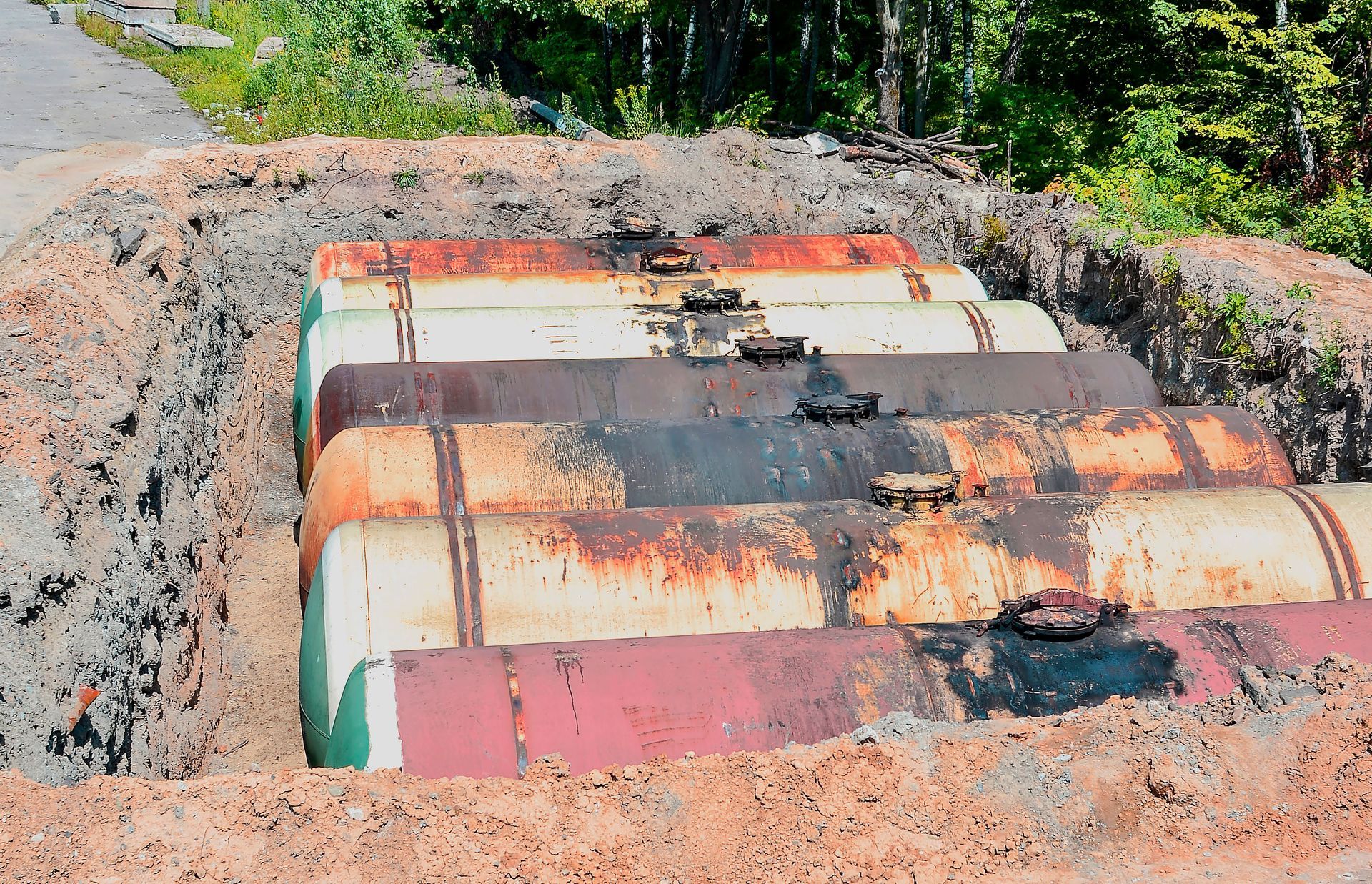
To ensure that an oil tank remains in good condition, a thorough visual inspection is essential. During this process, one should start by checking for external damage. Look for any dents, scratches, or other forms of physical damage that might compromise the tank's integrity. Even minor damages can lead to major problems if they are not addressed promptly, so they should never be dismissed. Besides, these damages can be indicative of mishandling or external stress factors.
Corrosion and Rust Detection
Apart from physical damage, inspecting the tank for corrosion and rust is crucial. Corrosion is a natural occurrence for metal structures exposed to the elements over prolonged periods. If rust is allowed to spread, it can weaken the metal, potentially leading to leaks. Regularly checking and addressing rust can extend the life of the tank considerably. As such, inspecting for corrosion should be part of the routine maintenance check and standard oil tank services.
Paint and Protective Coating Integrity
The tank's paint and coating play a protective role against the elements. A thorough assessment of the paint can give insights into its age and effectiveness. If the paint is peeling or shows signs of wear, it may expose the tank to rust and other forms of damage. The aesthetic appeal of the tank can also serve as an indicator of its maintenance level. Ensuring the tank is adequately coated can help reduce maintenance costs in the long run, making it a key focus for professional oil tank services.
2. Evaluating the Oil Tank's Structural Integrity
Metal Fatigue Analysis
Structural integrity is vital for the operational efficiency and safety of an oil tank. Testing for metal fatigue is a necessary procedure that involves understanding how external factors have affected the tank's metal over time. Metal fatigue can cause cracking or failure, which poses significant risks. Knowing the tank's age and recent history can help predict any potential problems. Regular testing helps in taking proactive measures before a failure occurs, which is a hallmark of high-quality oil tank services.
Welds and Joints Inspection
Alongside metal fatigue, welds and joints should be meticulously assessed. The quality of the welds and the condition of the joints can often indicate the tank's overall health. If there are any cracks or weaknesses in these areas, it might result in leaks. A tank's welds and joints must be robust and well-maintained to prevent oil leakage. Consistent checking will ensure the longevity of the tank.
Material Thickness and Wear
Regular analysis of thickness and material wear is another critical component of structural evaluations. Over time, material wear can result in thinning of the tank walls, which compromises its safety. Advanced technology, such as ultrasonic testing, can detect such thinning. Identifying and addressing signs of deformation can save high costs and resources. Moreover, maintaining historical maintenance records can offer insights into recurring issues, helping in proactive decision-making.
3. Checking Oil Tank Valves and Piping
Valve Functionality Check
Oil tank valves and piping systems are key components that facilitate efficient oil flow. Ensuring valve functionality is fundamental to maintaining an uninterrupted oil supply. This involves checking for any resistance when turning the valve, as well as looking for signs of corrosion or wear. Properly functioning valves prevent leaks and ensure that the oil is delivered smoothly. Regular checks can help catch issues before they result in bigger problems, illustrating the value of preventative oil tank services.
Connectors and Fittings Integrity
Beyond valves, inspecting connectors and fittings is equally important. Fittings and connectors are the junction points that connect various sections of the piping. These are susceptible to wear and tear due to environmental exposure and mechanical stresses. Leaky connectors can lead to significant oil losses, which not only increase costs but also pose environmental risks. Therefore, ensuring their integrity is paramount for both safety and efficiency, and specialized oil tank services can easily verify this condition.
Pipe Leak Detection
It is also essential to detect pipe leaks or damage through regular assessments. Damaged pipes can lead to contamination and wasted oil, undermining a system's efficiency. According to The Urban Canopy, the typical person produces about 4.4 pounds of waste a year, and undetected oil leaks only add to this figure. Regular inspections, ideally by a professional, can identify early-stage damage. Early detection can save numerous resources in repair and environmental cleanup costs.
4. Monitoring the Oil Level and Usage
Manual Dipstick Monitoring
Monitoring oil levels frequently can prevent unexpected shortages. Using manual dipstick checks is a traditional yet effective method for gauging oil levels. This simple tool provides an immediate understanding of remaining oil, which can guide consumption patterns and refills. Despite modern technology, this method remains valuable due to its reliability and ease of use. Routine checks help ensure an uninterrupted supply and timely refills, which are often coordinated through comprehensive oil tank services.
Automated Gauges and Real-Time Tracking
However, modern technology has introduced automated gauges, which enhance efficiency and accuracy. These systems provide real-time readings and can alert users to sudden drops in oil levels, indicating possible leaks or increased consumption. Automated systems reduce the need for manual checks and enhance user convenience. They also offer historical data, which helps in analyzing and optimizing oil usage. Implementing such systems can transform oil management into a more predictable aspect of home or business operation.
Consumption Pattern Optimization
Understanding average usage patterns over time can significantly improve consumption efficiency. It allows for better scheduling of refills and optimizing delivery logistics. Regular monitoring of usage allows detection of inefficiencies or sudden pattern changes, which might indicate a leak or equipment malfunction. By ensuring timely refills and spotting irregularities, one can curtail unnecessary wastage and associated costs. It emphasizes the importance of proactive management in maintaining a reliable and efficient energy supply.
5. Analyzing the Oil Quality
Contaminant Sampling
Regular analysis of oil quality is a cornerstone of maintaining an efficient energy system. Sampling the oil for contaminants can detect the presence of dirt, debris, or other undesirable substances. Contaminants can degrade equipment performance and accelerate wear and tear. Regular sampling ensures that oil remains in optimal condition, promoting the longevity of the tank and its components. Ignoring oil contamination can result in operational inefficiencies and expensive repairs that standard oil tank services aim to prevent.
Viscosity Assessments
Viscosity testing of oil is essential to ensure the oil's consistency matches its intended purpose. If oil becomes too viscous or too thin, it can affect combustion efficiency and harm internal components. Regular viscosity assessments help maintain energy production efficiency and prevent unnecessary system strain. Ensuring optimal viscosity levels not only enhances performance but also reduces environmental waste, as efficient combustion results in fewer emissions. Viscosity is a key factor in the overall performance and efficiency of an oil system.
Water Presence and Clarity Metrics
Another vital aspect is checking for water presence in the oil. Water contamination can cause significant damage to engines and other mechanical components by promoting rust and reducing lubrication efficacy. Regular checks can prevent these issues. Furthermore, ensuring oil color and clarity remain consistent is another quality metric. Scheduling regular oil cleaning or replacement ensures the system remains in peak condition, reduces maintenance costs, and prolongs system life.
By conducting these quick yet essential checks on your oil tank, you can enhance the safety, reliability, and efficiency of your energy system. Implementing a regular maintenance schedule helps identify potential problems before they become major problems. It extends the life of the tank and ensures a steady energy supply, thus preventing disruptions. Adhering to these practices not only guarantees operational efficiency but also supports environmental responsibility. Therefore, a proactive maintenance approach ensures energy needs are consistently met without unnecessary interruptions or hazards.

Share On: