Ways to Protect Your Property From Underground Oil Tank Issues
Properties with older heating systems or legacy infrastructure may still be affected by underground oil tanks, which can present long-term risks if left unmanaged. These systems were once common, but today they require careful attention due to environmental and structural concerns that develop over time. Underground oil tanks can deteriorate gradually, often without visible warning signs, which makes proactive oversight important. Even minor issues can escalate into contamination or costly repairs if ignored.
Understanding how to protect a property from underground oil tanks is less about alarm and more about practical prevention. With consistent monitoring and proper maintenance, risks can be managed effectively while maintaining compliance and property value. Homeowners and property managers who take early action are better positioned to avoid unexpected expenses and environmental issues. This guide outlines seven actionable strategies designed to help safeguard both structures and surrounding environments.
Detecting The Underground Oil Tank Issues Through Monitoring
Early detection is one of the most effective ways to reduce risk associated with underground oil tanks. Subtle changes in soil condition, unusual odors, or unexplained vegetation shifts can indicate a developing issue beneath the surface. Regular monitoring helps identify these warning signs before they escalate into costly environmental or structural problems. In many cases, property owners overlook early indicators simply because they are not actively looking for them.
In practice, monitoring should include periodic professional assessments that evaluate soil stability and potential leakage patterns. Homeowners dealing with underground oil tanks benefit from scheduled inspections that document changes over time. This creates a baseline that makes abnormalities easier to detect. Consistency is key, especially in older properties where tank conditions may already be uncertain.
Inspecting The Underground Oil Tank Systems During Servicing
Routine inspections play a central role in maintaining safe property conditions. When underground oil tanks are inspected during servicing, technicians evaluate corrosion levels, structural integrity, and surrounding soil conditions. These evaluations help determine whether a system is still viable or approaching failure. Ignoring inspection schedules often leads to undetected deterioration that becomes significantly more expensive to resolve later.
Inspection processes typically involve specialized equipment that can detect leaks without extensive excavation. Property owners should treat servicing as a preventive measure rather than a corrective one. For properties that still rely on underground oil tanks, inspections provide essential insight into system longevity and environmental safety. Consistent servicing reduces uncertainty and improves long-term planning.
Monitoring The Underground Oil Tank Conditions for Protecting
Ongoing condition monitoring is essential for maintaining control over potential risks. Underground oil tanks can deteriorate gradually, making it difficult to notice changes without structured oversight. Monitoring systems, including sensors and periodic reporting, help track tank performance and identify early-stage failures. This proactive approach reduces the likelihood of sudden contamination events.
Property owners often find that monitoring provides peace of mind by turning unpredictable risks into measurable data. Instead of reacting to emergencies, they can respond to gradual changes before they become critical. Underground oil tanks that are actively monitored are far less likely to cause unexpected damage. This strategy supports both environmental protection and property stability.
According to HWH Environmental, the United States manages an estimated 35 million tons of hazardous materials annually, highlighting the broader importance of responsible oversight when dealing with storage systems that can impact soil and groundwater. This context reinforces why monitoring should not be optional, especially in older infrastructure environments.
Preventing Property Damage from Oil Systems by Securing
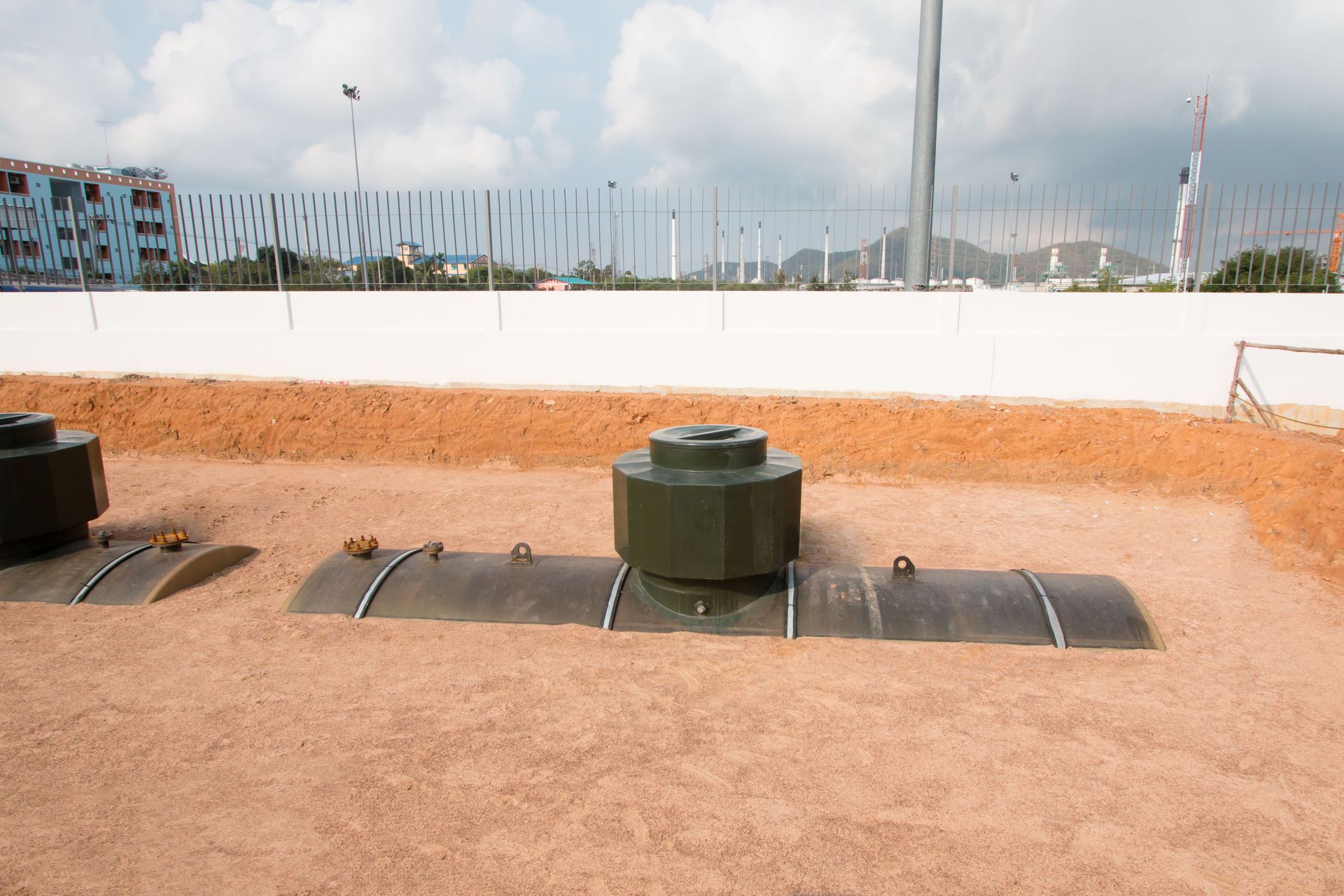
Prevention is most effective when physical and environmental safeguards are properly implemented. Underground oil tanks require secure containment systems to reduce the risk of leaks spreading into surrounding soil. Reinforced barriers, protective coatings, and proper ventilation planning all contribute to minimizing exposure. These measures help ensure that minor issues do not escalate into structural damage.
In addition to physical safeguards, preventive maintenance schedules play a key role. Property owners who actively manage underground oil tanks reduce long-term repair costs and avoid disruptions caused by emergency remediation. Prevention also includes educating those responsible for property upkeep so they understand early warning signs. A well-secured system is significantly less likely to create downstream complications.
Securing The Underground Oil Tank Areas for Shielding
Securing the surrounding area of a tank is just as important as maintaining the tank itself. Underground oil tanks can pose risks not only through leaks but also through soil instability that affects nearby foundations. Proper shielding includes reinforcing surrounding soil, controlling drainage, and ensuring that surface loads do not stress the subsurface environment.
Security measures also involve restricting access to sensitive areas of the property. This reduces accidental disturbance during landscaping or construction activities. When underground oil tanks are properly shielded, the risk of external interference is significantly reduced. Property owners benefit from a more stable and predictable environment overall.
Remediating Contaminated Sites After Leaking
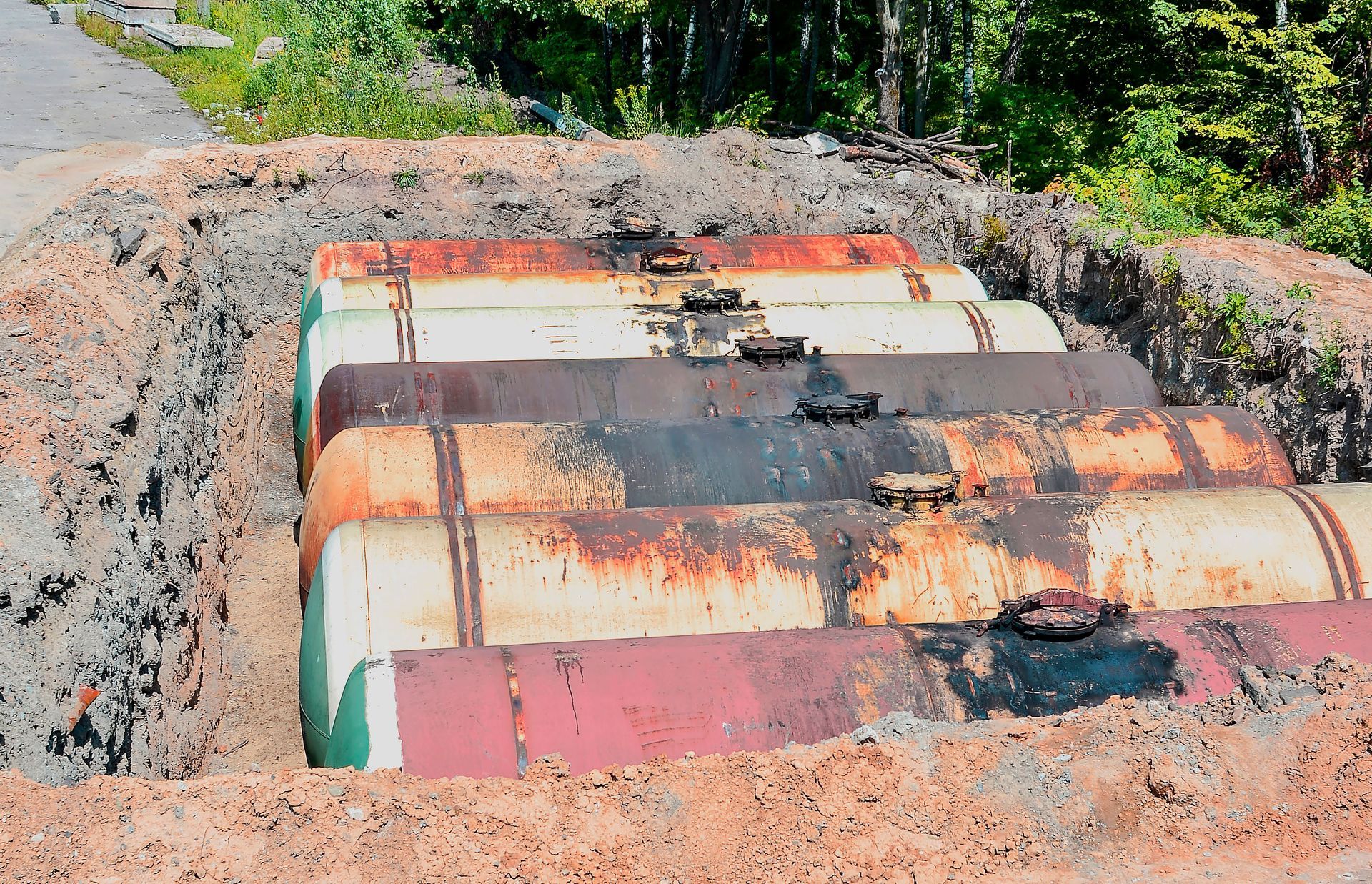
When a leak occurs, timely remediation is critical to limiting environmental impact and preventing further spread of contamination. Underground oil tanks that have already caused contamination require structured cleanup strategies that often include soil removal, filtration, and full site restoration depending on severity. Delays in remediation can allow contaminants to migrate deeper into the ground or reach nearby groundwater, which significantly increases cleanup scope and cost.
Remediation typically begins with a detailed site assessment to determine contamination levels and identify affected zones with precision. Once these areas are mapped, targeted cleanup efforts are implemented to restore safe and stable site conditions. Property owners dealing with underground oil tanks must prioritize professional intervention at this stage, as improper handling can worsen environmental damage and extend recovery timelines. Effective remediation helps restore both safety and long-term property usability while reducing future liability risks.
Decommissioning Old Underground Oil Tank Systems Safely by Removing
Older systems that are no longer in use should be properly decommissioned to eliminate future risk. Underground oil tanks that remain unused can still corrode over time, creating hidden hazards beneath the property. Safe removal involves excavation, tank cleaning, and responsible disposal in accordance with environmental standards.
Decommissioning also provides an opportunity to reassess property infrastructure and transition to safer energy solutions. Once underground oil tanks are removed, long-term liability decreases significantly. Property owners often find that removal improves resale potential and simplifies insurance considerations. Proper decommissioning is one of the most effective long-term risk reduction strategies available.
Protecting a property from risks associated with underground oil tanks requires consistent attention, structured maintenance, and informed decision-making over time. These systems are often out of sight, which makes it easier for issues to go unnoticed until they become serious and costly. A proactive approach ensures that small warning signs are addressed early, rather than allowing them to develop into structural damage or environmental contamination. Each stage—from monitoring and inspection to remediation and removal—plays a critical role in reducing both environmental and structural threats tied to underground oil tanks.
When these systems are managed proactively, property owners gain significantly greater control over long-term costs, compliance requirements, and overall safety outcomes. Regular oversight also helps reduce uncertainty, especially when dealing with aging infrastructure that may no longer meet modern environmental standards. Taking early action is consistently more effective than responding to emergencies after damage has already occurred, particularly when soil or groundwater is involved. Delays in addressing underground oil tanks can quickly escalate into broader issues that impact property value and liability exposure. For professional support and tailored environmental solutions, contact Innov8tive Environmental Inc.

Share On: