10 Essential Oil Tank Service Tips You Need
Maintaining oil tanks is a critical aspect of environmental safety and operational efficiency. Regular attention can prevent leaks, reduce hazards, and extend the life of your equipment. This guide provides essential insights into oil tank service, emphasizing professional support and sustainable practices. Properly maintained tanks not only protect the environment but also contribute to operational continuity and cost savings over time. By understanding the risks, monitoring conditions, and following a structured maintenance schedule, businesses can proactively manage their oil storage systems while minimizing environmental impact and regulatory complications. Professional service ensures that tanks operate efficiently and safely, preventing costly downtime and supporting long-term operational reliability.
1. Understanding Oil Tank Risks
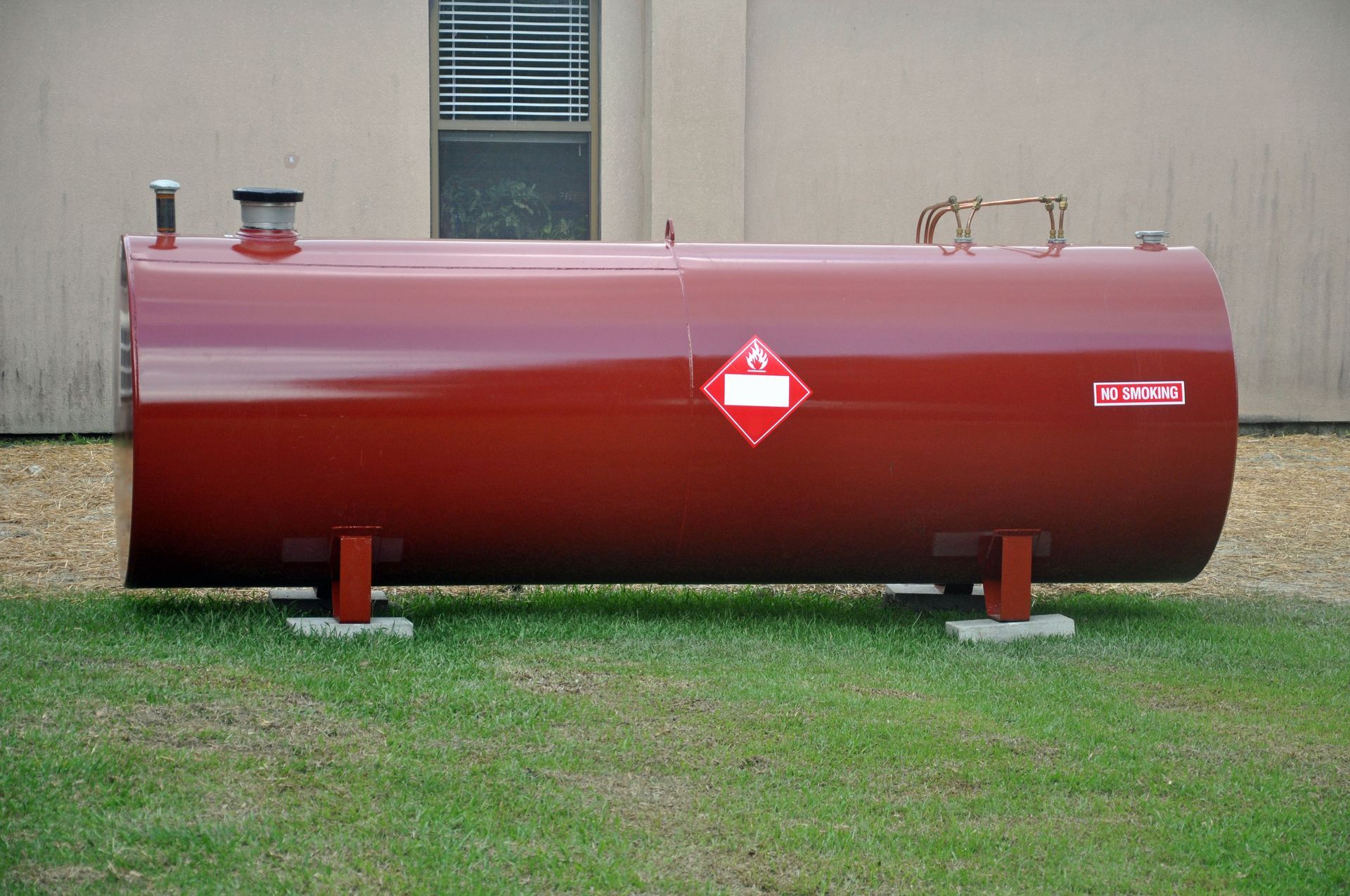
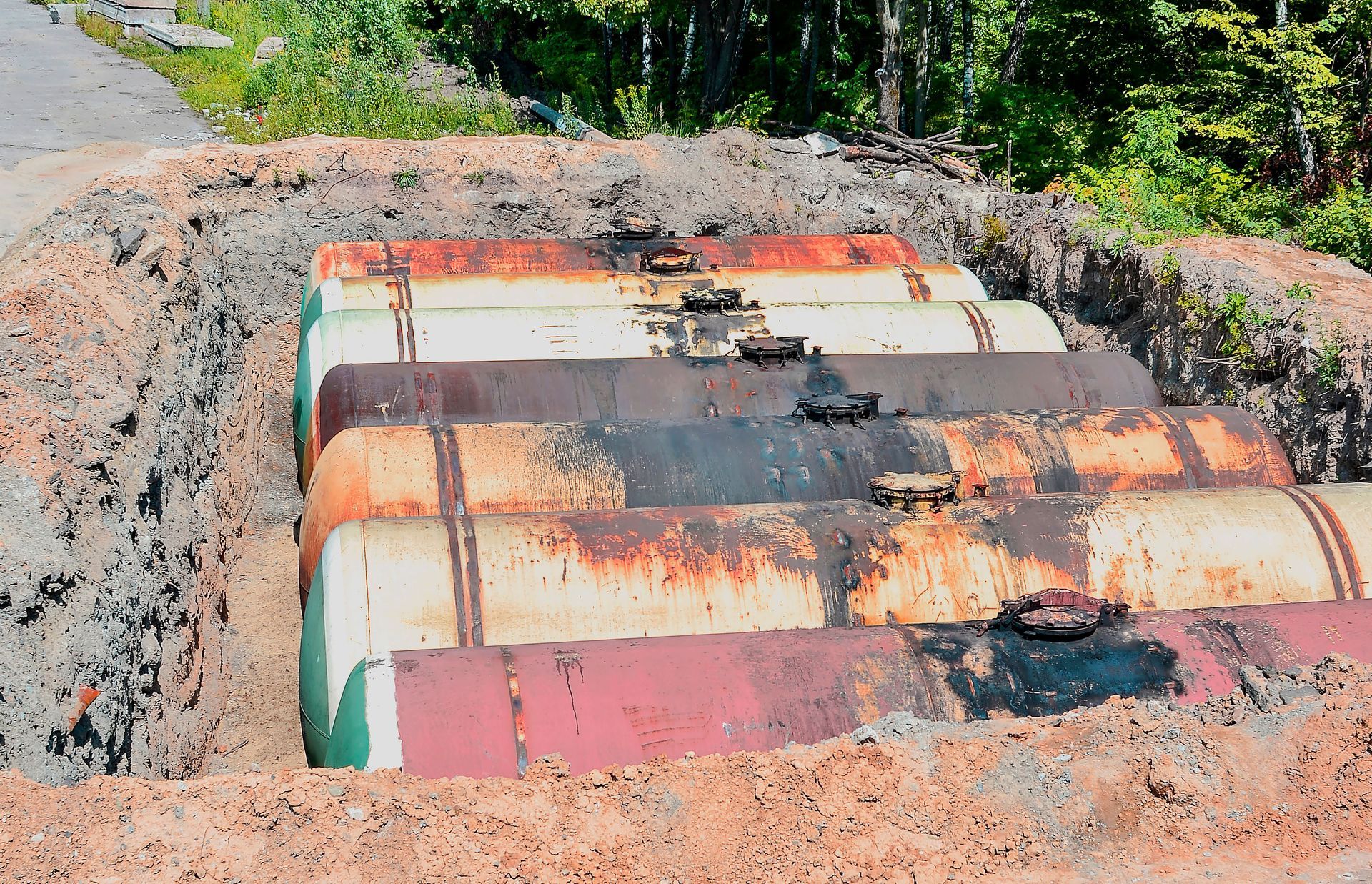
Oil tanks, whether above or underground, carry inherent risks. Corrosion, leaks, and structural damage can lead to costly environmental contamination. According to HWH Environmental, there is nearly 13 tons of hazardous waste produced every second worldwide. Neglecting routine oil tank service can contribute to these global challenges, making proactive maintenance vital.
Beyond immediate hazards, compromised tanks can pose long-term liabilities for property owners and operators. Environmental contamination can result in fines, legal action, and significant cleanup costs. Professionals evaluate these risks and develop mitigation strategies that align with regulatory standards and reduce the potential for environmental impact. Understanding the specific environmental risks in your area, including soil type, water table proximity, and climate conditions, is critical for creating an effective service plan.
2. Monitoring Tank Conditions
Monitoring the physical and operational condition of oil tanks is a fundamental aspect of preventive maintenance. This includes checking for corrosion, unusual noises, or changes in oil levels that may indicate a problem. Professionals use specialized tools and testing procedures to detect weaknesses that are not visible to the naked eye.
In addition to physical assessments, monitoring programs often include automated sensors and remote tracking systems. These tools provide real-time insights into tank performance, allowing professionals to respond promptly to any irregularities. Continuous monitoring strengthens overall oil tank service programs and supports safe operations. Proper monitoring also allows service providers to predict potential issues, helping to schedule interventions before damage occurs and avoiding costly emergency repairs.
3. Scheduling Regular Maintenance
Scheduled maintenance is an essential component of oil tank service. Routine servicing performed by trained personnel helps maintain structural integrity and operational efficiency. Maintenance tasks often include cleaning, internal inspections, and pressure testing.
Regular maintenance also provides an opportunity to identify minor issues before they escalate into costly failures. By maintaining detailed maintenance records, businesses can track trends in tank performance over time, helping to make informed decisions about upgrades or replacements. Consistent maintenance keeps oil storage systems operating safely and efficiently. Additionally, regular service reduces the risk of unexpected downtime, which can interrupt operations and increase overall operational costs.
4. Conducting Thorough Cleaning
Properly cleaning oil tanks is critical to preventing residue buildup that can accelerate corrosion or impair performance. Professional cleaning involves removing sludge, sediments, and other contaminants in a controlled manner that meets environmental safety standards.
Proper cleaning also extends the life of tank components and improves the efficiency of pumping and storage systems. Professionals use cleaning methods designed to minimize environmental impact, including the safe containment and disposal of waste materials. This approach reduces the overall risk to both workers and surrounding ecosystems. Routine cleaning can also uncover early signs of structural degradation that might otherwise go unnoticed, making timely intervention possible before major repairs are required.
5. Detecting Leaks Early
Even small leaks can lead to soil contamination and costly cleanup procedures. Early leak detection is vital for reducing environmental impact and financial loss. Professionals employ advanced detection technologies, including sensors and pressure tests, to identify leaks quickly and accurately.
Frequent leak assessments can also provide insight into potential weak points or aging components. By addressing these issues proactively during oil tank service, businesses can avoid major disruptions and maintain compliance with environmental regulations. Detecting leaks early not only prevents environmental damage but also protects surrounding infrastructure and reduces liability exposure for property owners.
6. Managing Waste Safely
Oil tank service involves handling and disposing of waste generated during inspections and cleaning. Safe waste management practices prevent environmental contamination and adhere to regulatory requirements. Professionals are equipped to manage oil residues, sludge, and contaminated water without risk to public health.
Beyond immediate disposal, proper waste management includes documenting handling procedures and coordinating with licensed disposal facilities. These measures help organizations meet environmental reporting obligations while reducing their ecological footprint. Well-managed waste handling also fosters community safety by minimizing the potential for hazardous material exposure to surrounding populations or waterways.
7. Upgrading Equipment Strategically
Over time, aging tanks may require upgrades or replacement to maintain operational reliability. Professionals can recommend and implement improvements to tank design, materials, or protective measures. Strategic upgrades reduce the likelihood of leaks and enhance the efficiency of storage systems.
Evaluating tank performance in conjunction with technological advancements allows businesses to make informed choices about improvements. Whether upgrading coatings, installing secondary containment, or replacing older tanks, professional guidance ensures that changes improve safety and efficiency without unnecessary expense. Incorporating upgrades as part of regular oil tank service can also extend the lifespan of associated equipment, such as pumps and monitoring systems.
8. Reviewing Compliance Requirements
Oil tank service includes reviewing compliance with local, state, and federal regulations. Professionals stay informed of changing standards for hazardous waste, storage, and environmental reporting. Regular compliance checks help businesses avoid penalties and maintain responsible operations.
Compliance reviews also provide an opportunity to implement best practices for environmental stewardship. By understanding the full scope of legal obligations, businesses can develop a comprehensive maintenance and inspection plan that aligns with both operational and regulatory goals. Keeping current with compliance also allows organizations to respond proactively to new environmental regulations and maintain good standing with regulatory agencies.
9. Planning Emergency Responses
Even with careful maintenance, unexpected issues can arise. Oil tank service planning should include emergency response strategies. Professionals develop procedures for containing leaks, coordinating cleanup, and mitigating environmental impact.
Emergency planning may also involve regular drills, staff training, and positioning necessary equipment to respond quickly. Having a well-prepared response system in place minimizes operational downtime and protects both personnel and the environment in the event of a tank incident. This proactive approach ensures that businesses can recover quickly and reduce long-term operational and environmental costs.
10. Maintaining Professional Partnerships
Establishing ongoing relationships with qualified service providers ensures continuity and reliability in oil tank management. Regular interactions with professionals provide access to up-to-date methods, equipment, and regulatory guidance. This partnership supports consistent performance and environmental responsibility across the lifespan of oil storage systems.
Long-term professional collaboration also allows for proactive planning, including budgeting for maintenance, upgrades, and emergency readiness. Businesses benefit from consistent support and knowledge-sharing, making oil tank service more effective and less disruptive to daily operations. Partnerships also offer opportunities for innovation, incorporating new technologies and techniques to further improve safety and efficiency.
Proactive and professional oil tank service is essential for operational safety, regulatory compliance, and environmental stewardship. By monitoring conditions, scheduling maintenance, detecting leaks, and managing waste responsibly, businesses can reduce hazards and extend tank lifespan. Implementing a structured approach to service minimizes risk, optimizes tank performance, and contributes to long-term operational continuity. Taking a proactive stance with professional support also reinforces sustainability initiatives, helping businesses reduce environmental impact while meeting regulatory obligations. For reliable oil tank service in Rye, NY and the surrounding areas, contact Innov8tive Environmental Services Inc today!

Share On: