Understanding Soil Contamination From Underground Oil Tanks
The introduction will provide an overview of the environmental implications of soil contamination from underground oil tanks and detail the scope of the article. Underground oil tanks have historically been a common feature in residential and commercial properties for heating purposes and fuel storage. However, despite their utility, the risk of leakage and subsequent soil contamination poses significant environmental and health threats. This article explores the causes, detection methods, and remediation strategies for addressing soil contamination from these hidden tanks, emphasizing the importance of professional oil tank services.
1. What Causes Soil Contamination From Underground Oil Tanks?
A. Introduction to Underground Oil Tanks
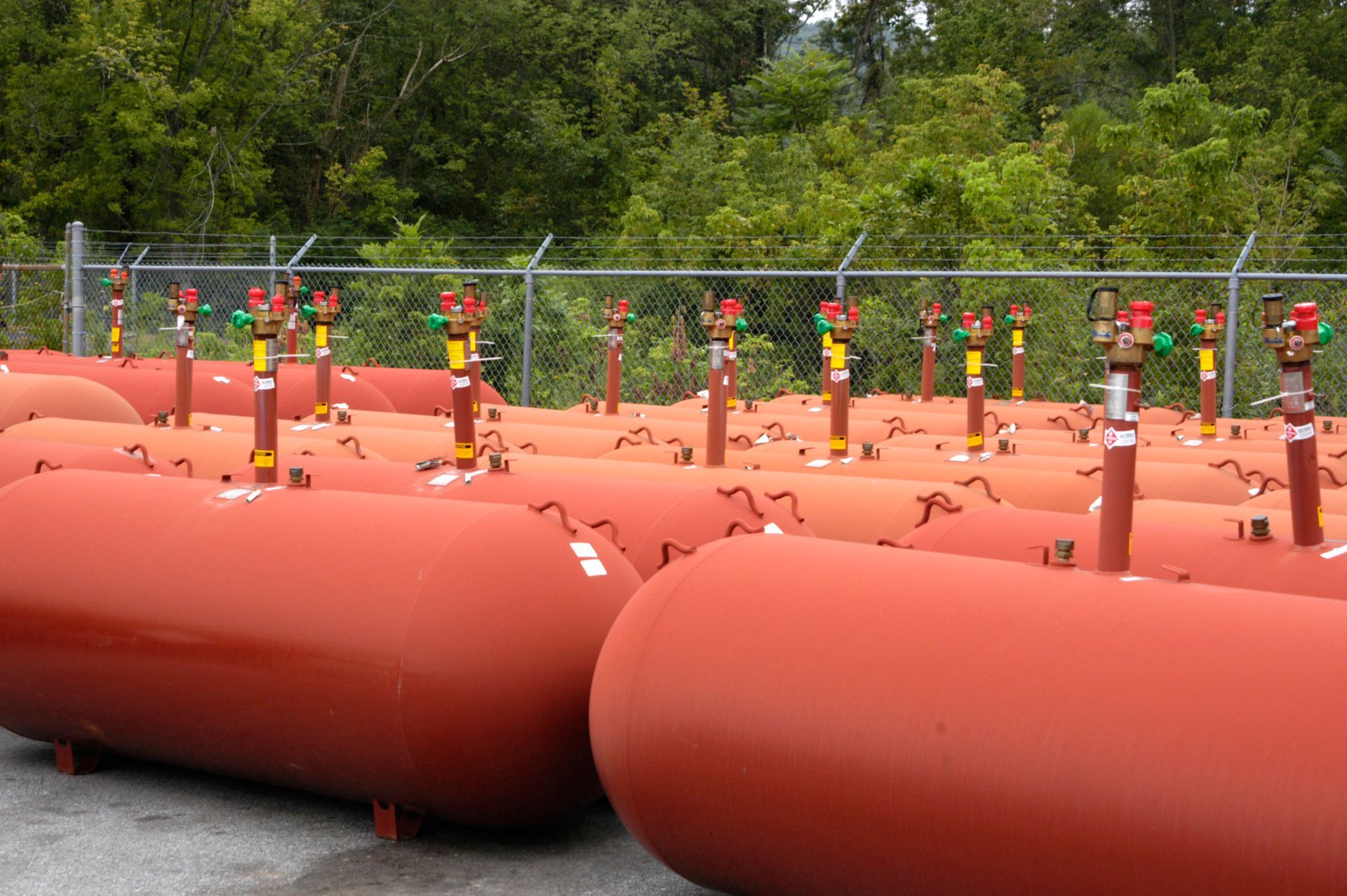
Underground oil tanks are widely used due to their ability to store large quantities of oil discreetly. Initially developed for practical reasons, these tanks have the unintended consequence of being susceptible to leaks and corrosion over time. Such leaks pose a substantial threat to the environment, contaminating the soil and groundwater. Understanding their construction and common vulnerabilities can help in identifying and mitigating potential risks.
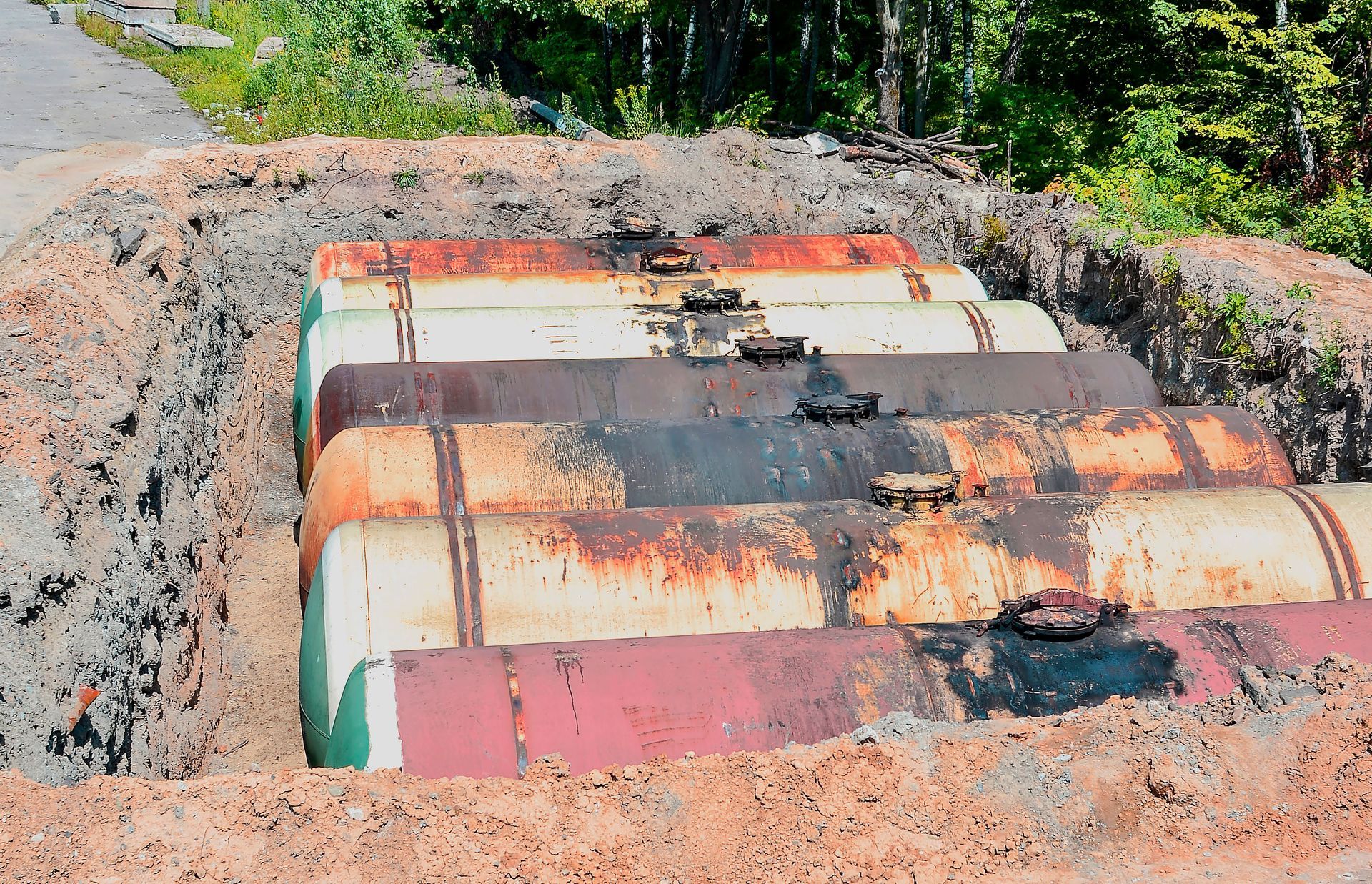
These tanks are often constructed from materials susceptible to corrosion, contributing to the degradation of structural integrity. Without regular maintenance or replacement, tanks made of metals like steel can corrode, leading to leaks. The location of these tanks, often buried below ground, makes them challenging to monitor without specialized equipment. Hence, regular inspections by oil tank services are critical to preventing leakage.
The threat posed by deteriorating underground oil tanks extends beyond the immediate vicinity, affecting the environment more broadly. Leaks from these tanks are a primary source of soil contamination, impacting both soil health and local water sources. The potential for widespread environmental harm underscores the pressing need for proactive management and regular inspections. According to the United States Environmental Protection Agency, leaking underground storage tanks are officially recognized as one of the most common sources of groundwater contamination in the country.
B. Common Reasons for Oil Leaks
There are numerous reasons why oil tanks may start to leak, resulting in soil contamination. One common cause is the corrosion of the tank's metallic exterior, exacerbated by prolonged exposure to environmental elements. Mechanical damage during installation or renovations can also create vulnerabilities in the structure of the tank. Aging tanks, especially those that have not been regularly inspected or maintained, are more prone to such deterioration.
Improper installation practices contribute significantly to the vulnerability of underground oil tanks. When tanks are not installed according to industry standards, they can experience undue stress or improper settling, leading to leaks over time. Additionally, the backfilling of tanks with inappropriate materials can accelerate corrosion or damage the tank. Employing qualified oil tank services for installation can mitigate these risks significantly.
Environmental factors, such as soil composition and moisture levels, further influence the integrity of underground tanks. Tanks residing in acidic soils or regions with high water tables may experience accelerated corrosion. Moreover, seismic activity or land movement can shift tanks, increasing the risk of rupture. Proactive measures by oil tank services, such as using corrosion-resistant materials and implementing better installation techniques, are vital for long-term integrity.
2. How to Detect Soil Contamination?
A. Signs of Potential Contamination
Detecting soil contamination from underground oil tanks is a critical aspect of environmental due diligence. Visible signs of potential contamination include discolored soil, dead vegetation, or noticeable oil sheen on water surfaces. Strange odors or unexplained health issues among residents can also indicate the presence of contaminants. Early detection is crucial to minimize the extent of contamination and begin remediation promptly.
In many cases, the absence of immediate symptoms does not guarantee the absence of leakage. Slow leaks may not produce obvious signs for extended periods, making regular inspections indispensable. Relying solely on visual or olfactory cues can delay necessary action, exacerbating environmental harm. Engaging professional oil tank services allows for accurate detection using advanced techniques and ensures timely intervention.
The presence of unexplained water in the basement or changes in fuel oil consumption can also hint at potential leakage. Other subtle indicators include changes in the surrounding landscape, such as soil subsidence or unexpected water accumulation. Residents and property owners should remain vigilant and report any suspicious signs to ensure swift evaluation. Consolidating observation with technical assessments by oil tank services provides the best protection against undetected leaks.
B. Professional Inspection Services
Professional inspection services play an indispensable role in the detection and assessment of soil contamination from underground oil tanks. These experts possess the necessary equipment and expertise to conduct thorough evaluations. Ground Penetrating Radar (GPR) and soil sampling are some of the techniques used to detect and quantify contamination. Regular inspections by reputable oil tank services are fundamental to maintaining environmental safety.
The involvement of certified inspectors brings credibility and reliability to the assessment process. Their training allows them to identify risk factors and signs of potential leakage that may be overlooked by untrained individuals. By conducting detailed inspections, these professionals provide valuable insights into the condition of tanks, guiding maintenance and remediation work. Routine check-ups from oil tank services prevent minor issues from escalating.
Inspection reports generated by these professionals contain vital information about the health of the tank and surrounding environment. Such documentation is crucial for regulatory compliance and future property transactions. Property owners who employ inspection services gain peace of mind, knowing that potential hazards are being actively managed. By prioritizing regular evaluations, stakeholders contribute to long-term environmental stewardship.
3. What are the Remediation Methods for Contaminated Sites?
A. Excavation and Removal of Contaminated Soil
The excavation and removal of contaminated soil is a direct approach to remediation, providing immediate relief from pollution. This method involves the physical extraction of polluted earth, which is then treated or disposed of according to environmental guidelines. While effective, the process can be labor-intensive, disruptive, and costly. Utilizing specialized oil tank services ensures efficient and compliant execution of this remedial tactic.
Excavation involves careful planning to minimize environmental impact and disturbance to nearby infrastructure. Professionals assess the extent of contamination, developing a strategic approach that contains the pollution and safeguards the surrounding area. Partnering with oil tank services provides access to the necessary expertise and equipment to conduct such operations effectively. This collaboration is essential for ensuring thorough removal and adherence to safety protocols.
The removal of contaminated soil requires compliance with disposal regulations, which vary depending on jurisdiction and contamination severity. Certified disposal facilities are equipped to handle hazardous materials, reducing the risk of secondary pollution. Documentation throughout the excavation process is imperative to demonstrate compliance and facilitate future land use planning. Professional guidance from oil tank services ensures adherence to all procedural and regulatory requirements.
B. In-situ and Ex-situ Treatment Techniques
In-situ treatments are viable alternatives to address contamination without physical relocation of soil. These techniques involve treating contaminants within the ground, reducing environmental disturbance and costs associated with excavation. Bioremediation, phytoremediation, and chemical oxidation are some of the methods employed to neutralize pollutants on-site. Consulting experienced oil tank services can help in selecting the most suitable in-situ technique.
Ex-situ treatments involve removing contaminants from their original location for treatment. These methods include soil washing, thermal desorption, and stabilization, providing concentrated remediation efforts. Despite higher initial costs, ex-situ treatments can be more effective for deeply contaminated areas or when rapid decontamination is required. Oil tank services with expertise in ex-situ techniques ensure the comprehensive treatment of contaminated zones.
Both in-situ and ex-situ remediation approaches have their specific benefits and limitations, necessitating strategic decision-making. The selection is based on factors like contamination level, site conditions, and regulatory obligations. Professional oil tank services provide the expertise needed to assess these parameters and recommend a balanced strategy. Leveraging these advanced techniques helps in restoring contaminated sites to safe and usable conditions.
The challenges posed by leaking underground oil tanks require a concerted effort combining technology, professional expertise, and regulatory adherence. Understanding the causes, recognizing potential signs of contamination, and employing effective remediation strategies are critical components in managing this environmental risk. Committing to regular inspections and maintenance not only prevents leaks but assures the long-term protection of human health and natural resources. Reach out to Innov8tive Environmental today to see how we can help you!

Share On: